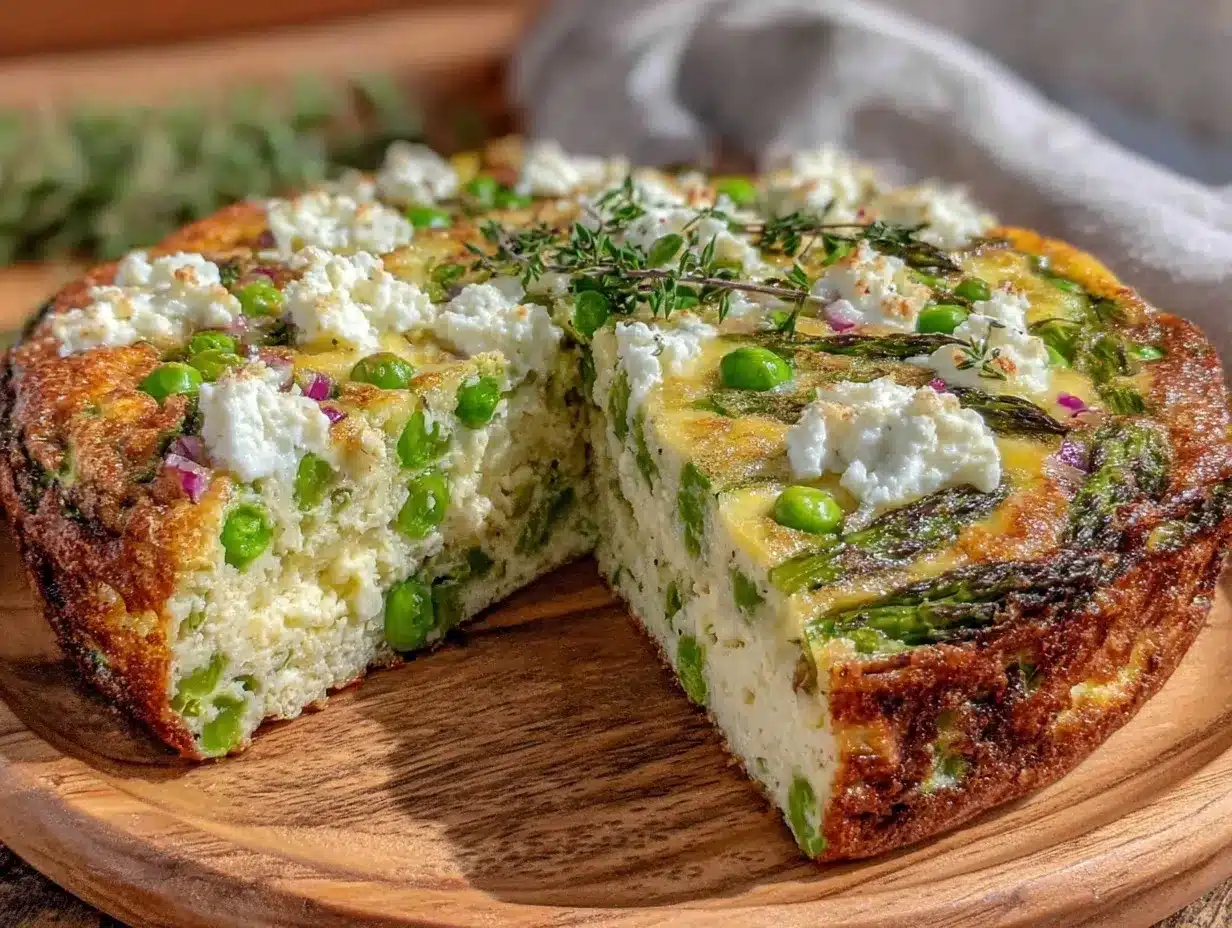
One quiet Saturday morning, the kitchen felt unusually still except for the soft hum of the fridge and the occasional chirp of birds outside. I was scrolling through my phone, half-dreaming of something fresh and light for brunch, when a sudden craving hit—a dish that would capture the crispness of spring without too much fuss. That’s when the idea for this Easy Spring Vegetable Frittata with Creamy Goat Cheese was born. Honestly, it wasn’t some grand culinary plan but more a happy accident sparked by rummaging through my fridge and finding a half-used log of goat cheese and a handful of fresh spring veggies begging to be used.
The first time I made this frittata, I was skeptical. I mean, goat cheese can be a bit tangy and bold, and mixing it with spring vegetables sounded a little risky. But as the frittata baked, the kitchen filled with the most inviting aroma—earthy asparagus, sweet peas, and that creamy, slightly tart cheese melting into every bite. By the time I sliced into it, that tangy creaminess had softened, creating a perfect balance with the vegetables’ freshness.
Now, this recipe sticks with me because it’s more than just a quick brunch fix. It’s the kind of dish that feels like a little celebration of the season, a quiet moment of joy on a busy day. Plus, it’s forgiving—if you swap in different veggies or add a handful of fresh herbs, it still works beautifully. That’s what makes this frittata so special to me; it’s simple, satisfying, and somehow comforting without being heavy. Every time I make it, I feel like I’m tasting spring itself, wrapped up in a warm, fluffy slice.
Why You’ll Love This Recipe
- Quick & Easy: The whole frittata comes together in under 30 minutes, perfect when you want a fuss-free brunch or a light dinner after a long day.
- Simple Ingredients: No exotic components here—just fresh spring vegetables, eggs, and creamy goat cheese, all of which you probably have or can easily find at your local market.
- Perfect for Brunch or Light Meals: This frittata shines at weekend brunches, casual lunches, or even a cozy solo breakfast on a lazy morning.
- Crowd-Pleaser: The creamy goat cheese mellows the vegetables’ earthiness, making it a hit with both kids and adults who might be hesitant about “green stuff.”
- Unbelievably Delicious: The texture is just right—light and fluffy eggs with pockets of melting goat cheese and tender-crisp veggies that keep every bite interesting.
What really sets this recipe apart is the little trick of folding in the goat cheese just before baking, which creates those soft, creamy pockets instead of mixing it all in and losing that special tang. Plus, the choice of spring vegetables like asparagus and fresh peas adds a vibrant sweetness that balances the richness of the cheese perfectly. This isn’t just another frittata—it’s a fresh, bright take that feels both homemade and a touch elegant at the same time.
It’s the kind of recipe that makes you pause and savor the season, whether you’re entertaining or just indulging in a quiet moment alone. The combination of fresh flavors and creamy texture is what keeps me coming back to this frittata week after week.
What Ingredients You Will Need
This recipe uses simple, wholesome ingredients to deliver bold flavor and satisfying texture without the fuss. Most of these are pantry staples or fresh market finds that highlight the best of spring.
- Eggs (6 large, room temperature): The base of the frittata, providing structure and richness.
- Goat cheese (4 ounces, crumbled): I prefer the tangy, creamy kind from Cypress Grove—it melts beautifully and adds depth.
- Asparagus (1 bunch, trimmed and chopped into 1-inch pieces): Adds a fresh, slightly grassy flavor and tender crunch.
- Fresh peas (1 cup): Sweet and bright, they bring a pop of color and natural sweetness.
- Green onions (3, thinly sliced): For a mild onion bite without overpowering the other veggies.
- Fresh parsley (2 tablespoons, chopped): Adds a herby freshness that lifts the dish.
- Olive oil (2 tablespoons): For sautéing the vegetables and adding richness.
- Salt (to taste): Enhances all the flavors.
- Freshly ground black pepper (to taste): Adds mild heat and complexity.
- Whole milk or cream (2 tablespoons, optional): Makes the eggs extra tender and silky.
If fresh peas aren’t available, frozen peas work well too—just thaw and drain them before adding. For a dairy-free twist, try swapping goat cheese with a soft tofu blend or a vegan cheese alternative, though the flavor will shift a bit. And if asparagus is out of season, tender zucchini or snap peas make excellent substitutions, keeping that fresh spring vibe alive.
Equipment Needed
- Oven-safe skillet (10-inch cast iron or non-stick skillet): Essential for cooking the frittata on stovetop and finishing it in the oven. I personally love using my Lodge cast iron for even heat distribution.
- Mixing bowl: For whisking the eggs and combining ingredients.
- Whisk or fork: To beat the eggs smoothly.
- Spatula or wooden spoon: For sautéing the veggies and folding in the cheese.
- Measuring cups and spoons: For precise ingredient amounts.
If you don’t have an oven-safe skillet, you can cook the veggies in a regular pan and transfer the mixture to a baking dish, but you might lose some of that crispy edge. A budget-friendly non-stick skillet works fine, but I find cast iron gives a better crust and holds heat longer, which helps cook the frittata evenly. Just remember to season your cast iron regularly to keep it in top shape!
Preparation Method
- Preheat your oven to 375°F (190°C). This ensures the frittata finishes baking evenly and sets properly.
- Prepare the vegetables: Trim and chop the asparagus into 1-inch pieces, slice the green onions thinly, and chop the parsley finely. If using frozen peas, thaw them and pat dry.
- Heat olive oil in your oven-safe skillet over medium heat. Once shimmering, add asparagus and sauté for about 4-5 minutes until tender but still crisp, stirring occasionally.
- Add peas and green onions to the skillet and cook for another 2 minutes until warmed through and fragrant. Season lightly with salt and pepper.
- In a mixing bowl, whisk together the eggs, milk or cream (if using), a pinch of salt, and freshly ground black pepper. Whisk until the mixture is light and slightly frothy, about 30 seconds.
- Pour the egg mixture evenly over the sautéed vegetables in the skillet. Tilt the pan slightly to distribute the eggs uniformly.
- Sprinkle crumbled goat cheese evenly across the top, resisting the urge to stir it in—those pockets of cheese are what make this frittata special!
- Let the frittata cook undisturbed on the stovetop for 3-4 minutes until the edges begin to set but the center is still loose.
- Transfer the skillet to the preheated oven and bake for 12-15 minutes, or until the frittata is puffed, golden, and a knife inserted in the center comes out clean.
- Remove from the oven and let rest for 5 minutes before slicing. This rest time helps the frittata finish setting and makes cutting cleaner.
If you notice the edges browning too quickly on your stovetop, turn the heat down slightly or move the skillet off the burner once the eggs start to set. Also, keep a close eye during baking—oven temperatures can vary quite a bit, so start checking at 12 minutes to avoid overcooking. When done, the frittata should be golden on top, with a slight jiggle in the center that firms up as it cools.
Cooking Tips & Techniques
One trick I’ve learned is to use room temperature eggs—they whip up fluffier and cook more evenly. Also, don’t rush the stovetop step; letting the eggs start setting before heading into the oven prevents a watery center.
When sautéing the veggies, keep the heat medium to medium-high. Too low, and they’ll steam instead of getting that slight caramelization that adds flavor. Too high, and you risk burning the asparagus before the eggs are ready.
If you’re worried about sticking, a well-seasoned cast iron skillet is your best friend. Non-stick pans work too, but they won’t develop that lovely crust around the edges. And trust me, that crust is part of the frittata’s charm.
Avoid stirring the cheese into the eggs; letting it sit on top creates those creamy pockets that surprise you in every bite. For even cooking, gently stir the eggs once or twice right after pouring them in, but don’t go overboard.
Lastly, timing is everything. Multitask by prepping your veggies while the oven preheats. It saves time and keeps everything moving smoothly.
Variations & Adaptations
- Seasonal Veggie Swap: Switch asparagus and peas for tender zucchini, cherry tomatoes, or even baby spinach depending on what’s fresh. In fall, try roasted butternut squash and kale for a cozy twist.
- Cheese Alternatives: If goat cheese isn’t your thing, feta or ricotta work well too, offering a similar creamy texture with milder flavor.
- Protein Boost: Add cooked, crumbled bacon or diced ham for a savory, meaty version that’s still balanced by the veggies.
- Herb Variations: Swap parsley with tarragon, chives, or basil for a different herbal note that complements the spring veggies.
- Dairy-Free Option: Use a tofu scramble base and omit cheese or substitute with a plant-based cheese alternative to keep it vegan-friendly.
Personally, I once tried adding thinly sliced roasted red peppers and a sprinkle of smoked paprika. It added a smoky sweetness that was unexpected but totally delicious. Feel free to get creative—the frittata is forgiving and ready for your favorite tweaks.
Serving & Storage Suggestions
This frittata is best served warm or at room temperature, making it perfect for leisurely brunches or packed lunches. Slice it into wedges and garnish with a few fresh parsley leaves or a light drizzle of olive oil.
Pair it with a crisp green salad or crusty bread for a simple, satisfying meal. A light white wine or sparkling water with lemon pairs nicely if you’re serving brunch guests.
To store leftovers, cover tightly with plastic wrap or transfer to an airtight container and refrigerate for up to 3 days. Reheat gently in a low oven or microwave to keep the texture tender. The flavors actually mellow and meld nicely overnight, so sometimes I prefer it the next day!
Nutritional Information & Benefits
This frittata is a balanced dish, packed with protein from the eggs and goat cheese, and fiber plus vitamins from the fresh vegetables. One serving (about one-sixth of the frittata) typically provides around 200-250 calories, 15 grams of protein, and a good dose of vitamin A, C, and folate thanks to the spring veggies.
Goat cheese is easier to digest than cow’s milk cheese for many people and adds calcium and probiotics. Plus, the olive oil contributes heart-healthy monounsaturated fats. This recipe fits well into a low-carb or gluten-free diet and offers a wholesome, satisfying option without excess carbs or processed ingredients.
Conclusion
This Easy Spring Vegetable Frittata with Creamy Goat Cheese is one of those recipes I keep returning to—not because it’s fancy but because it feels just right. It’s simple, fresh, and endlessly adaptable, making it perfect for brunches, light dinners, or even a solo breakfast when you want something homemade but quick.
Don’t be afraid to tweak it to your taste, swapping veggies or cheeses as you like. It’s forgiving and flexible, which makes it a kitchen staple in my book. Honestly, it’s the kind of dish that turns everyday ingredients into something quietly special.
If you try it, I’d love to hear how you customize yours or what moments this recipe brings to your table. There’s something about sharing food stories that always feels like the best part of cooking.
FAQs
Can I make this frittata ahead of time?
Yes! You can prepare it a few hours in advance and refrigerate. Reheat gently before serving, or enjoy it cold or at room temperature.
What can I use instead of goat cheese?
Feta, ricotta, or cream cheese are good substitutes. For a dairy-free option, try a plant-based cheese or omit cheese altogether.
Is this recipe gluten-free?
Absolutely. All ingredients in this frittata are naturally gluten-free, making it a safe option for gluten-sensitive diets.
Can I add more vegetables to this frittata?
Definitely! Just be mindful not to overcrowd the pan or add too much moisture, which can affect the texture.
How do I know when the frittata is fully cooked?
It should be puffed, golden on top, and a knife inserted in the center should come out clean or with just a slight moistness—not runny.
Pin This Recipe!
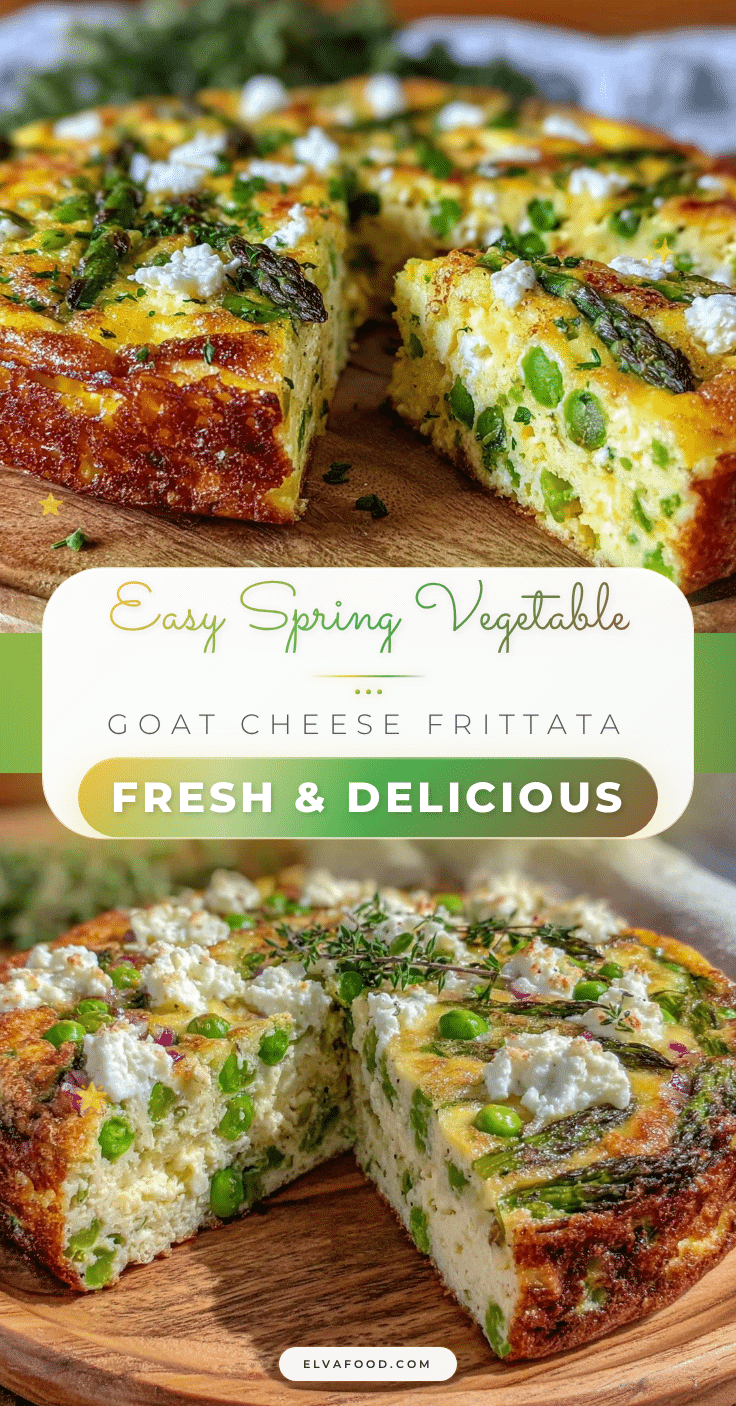
Easy Spring Vegetable Frittata with Creamy Goat Cheese

A quick and easy spring vegetable frittata featuring fresh asparagus, peas, and creamy goat cheese, perfect for brunch or light meals.
- Prep Time: 10 minutes
- Cook Time: 20 minutes
- Total Time: 30 minutes
- Yield: 6 servings 1x
- Category: Main Course
- Cuisine: American
Ingredients
- 6 large eggs, room temperature
- 4 ounces goat cheese, crumbled
- 1 bunch asparagus, trimmed and chopped into 1-inch pieces
- 1 cup fresh peas (or thawed frozen peas)
- 3 green onions, thinly sliced
- 2 tablespoons fresh parsley, chopped
- 2 tablespoons olive oil
- Salt, to taste
- Freshly ground black pepper, to taste
- 2 tablespoons whole milk or cream (optional)
Instructions
- Preheat your oven to 375°F (190°C).
- Trim and chop the asparagus into 1-inch pieces, slice the green onions thinly, and chop the parsley finely. If using frozen peas, thaw and pat dry.
- Heat olive oil in an oven-safe skillet over medium heat. Add asparagus and sauté for 4-5 minutes until tender but still crisp, stirring occasionally.
- Add peas and green onions to the skillet and cook for another 2 minutes until warmed through and fragrant. Season lightly with salt and pepper.
- In a mixing bowl, whisk together the eggs, milk or cream (if using), a pinch of salt, and freshly ground black pepper until light and slightly frothy, about 30 seconds.
- Pour the egg mixture evenly over the sautéed vegetables in the skillet, tilting the pan to distribute the eggs uniformly.
- Sprinkle crumbled goat cheese evenly across the top without stirring it in.
- Let the frittata cook undisturbed on the stovetop for 3-4 minutes until the edges begin to set but the center is still loose.
- Transfer the skillet to the preheated oven and bake for 12-15 minutes, or until the frittata is puffed, golden, and a knife inserted in the center comes out clean.
- Remove from the oven and let rest for 5 minutes before slicing.
Notes
Use room temperature eggs for fluffier texture. Avoid stirring goat cheese into eggs to create creamy pockets. Adjust oven time based on your oven; start checking at 12 minutes to avoid overcooking. Well-seasoned cast iron skillet recommended for best crust.
Nutrition
- Serving Size: One-sixth of the fri
- Calories: 225
- Sugar: 3
- Sodium: 220
- Fat: 16
- Saturated Fat: 6
- Carbohydrates: 6
- Fiber: 2
- Protein: 15
Keywords: spring vegetable frittata, goat cheese frittata, easy brunch recipe, asparagus peas frittata, light dinner, gluten-free brunch