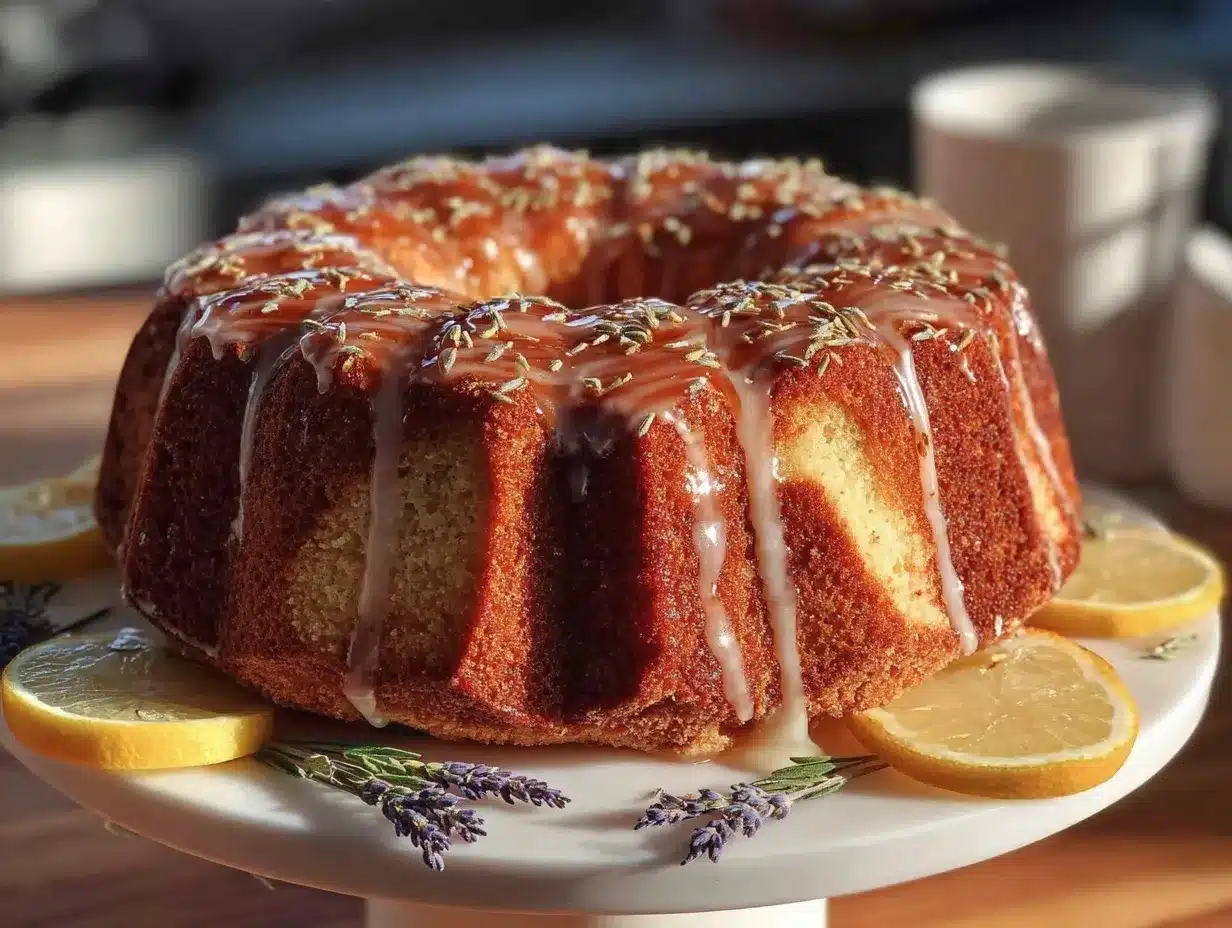
“You’re not really a baker, are you?” That’s what my friend teased me when I first mentioned making a lemon lavender pound cake. Honestly, I was skeptical myself. Baking with lavender? It sounded a bit… floral for a dessert. But something about the combination of zesty lemon and fragrant lavender intrigued me enough to give it a shot. The first time I pulled this cake out of the oven, the whole kitchen smelled like a little slice of spring, even though it was still early March and the weather was stubbornly gray.
I remember slicing into the cake, expecting it to be dense and dry, the way pound cakes sometimes are. But no—the crumb was surprisingly moist and tender, with that gentle hint of lavender weaving through the bright lemon flavor. The honey lemon glaze on top? That was the real game-changer, adding a glossy, sweet-tart finish that made me pause and savor each bite. It quickly became one of those recipes I’d make over and over, sometimes just because I needed a quiet moment with a cup of tea and a slice of cake that felt like a warm hug.
What surprised me most was how approachable this recipe was. I didn’t need any fancy ingredients or complicated steps, just a few pantry staples and a little patience. It’s the kind of cake that feels special without the fuss—perfect for unexpected guests or a solo afternoon indulgence. Over time, I’ve come to trust this lemon lavender pound cake as a quiet reminder that sometimes, the simplest flavors bring the most joy.
Why You’ll Love This Recipe
After baking this moist lemon lavender pound cake with honey lemon glaze countless times, I can confidently say it’s become a go-to for many reasons:
- Quick & Easy: You can have this cake ready in under 1 hour and 15 minutes, including baking time. It’s perfect for those moments when you want something homemade but don’t have all day.
- Simple Ingredients: Nothing fancy required—just standard pantry staples plus dried culinary lavender and fresh lemons. I usually pick up my lavender from a trusted supplier to ensure it’s food-safe and aromatic.
- Perfect for Special Occasions: Whether it’s a weekend brunch or a cozy afternoon tea, this cake feels fancy without being intimidating. It’s a lovely centerpiece that sparks conversation.
- Crowd-Pleaser: The subtle floral notes never overwhelm, making it a hit even with folks who say they “don’t like lavender.” Kids, adults — everyone asks for seconds.
- Unbelievably Delicious: The honey lemon glaze seals in moisture and adds a delightful sweetness that balances the tangy lemon and fragrant lavender perfectly.
This isn’t just another lemon cake. The trick lies in infusing the batter with dried lavender buds and using a honey lemon glaze instead of a traditional sugar glaze. The glaze adds a mellow sweetness and a glossy finish that makes the cake irresistible. And if you’re curious about other comforting dishes to pair with your tea, you might enjoy the fresh spring vegetable frittata I often serve alongside.
What Ingredients You Will Need
This recipe uses simple, wholesome ingredients to deliver bold flavor and satisfying texture without the fuss. Most are pantry staples, with a few special additions to bring that lemon lavender magic to life.
- All-purpose flour: 2 cups (250g), for the cake base. You can swap for almond flour for a gluten-free twist, but the texture will change slightly.
- Baking powder: 1 ½ teaspoons, to help the cake rise nicely.
- Salt: ½ teaspoon, balances the sweetness.
- Unsalted butter: 1 cup (227g), softened. I prefer using European-style butter like Kerrygold for a richer flavor.
- Granulated sugar: 1 ½ cups (300g), for sweetness.
- Large eggs: 4, at room temperature, to help with structure and moisture.
- Fresh lemon zest: From 2 large lemons (about 2 tablespoons), for that bright citrus punch.
- Fresh lemon juice: ¼ cup (60ml), adds tanginess to the batter.
- Dried culinary lavender buds: 2 tablespoons, finely crushed. Make sure to use food-grade lavender to avoid bitterness.
- Whole milk or buttermilk: ½ cup (120ml), adds moisture and tenderness.
For the honey lemon glaze:
- Powdered sugar: 1 cup (120g), sifted for a smooth glaze.
- Honey: 3 tablespoons, preferably a light floral honey to complement the lavender.
- Fresh lemon juice: 2 tablespoons, to balance the sweetness.
- Warm water: 1-2 tablespoons, to thin the glaze to the right consistency.
If you want to experiment, fresh berries or a sprinkle of finely chopped pistachios on top add a lovely touch. When in season, using Meyer lemons can bring an extra layer of floral sweetness. For a dairy-free version, swap milk with coconut or almond milk and use a plant-based butter alternative.
Equipment Needed
- 9×5-inch loaf pan: The classic size for pound cakes. A non-stick pan or one lined with parchment paper works best to prevent sticking.
- Electric mixer: Handheld or stand mixer, for creaming butter and sugar thoroughly. You can do it by hand, but it takes more elbow grease!
- Mixing bowls: One large for the batter, one small for the glaze.
- Citrus zester or microplane: For finely zesting the lemons without the bitter white pith.
- Measuring cups and spoons: Accuracy matters for baking, so I recommend using a kitchen scale if you have one.
- Spatula: For folding ingredients gently and scraping the bowl.
- Cooling rack: To let the cake cool evenly and prevent sogginess.
If you don’t have a loaf pan handy, a bundt pan can work too, but adjust baking time accordingly. For zesting, a fine grater works in a pinch if you don’t have a microplane. Remember, using reliable equipment can save you from baking mishaps, so I always keep my loaf pans well-seasoned and parchment-lined to avoid sticking.
Preparation Method
- Preheat and prepare: Set your oven to 350°F (175°C). Grease your 9×5-inch loaf pan with butter and line it with parchment paper, leaving some overhang for easy removal. This step prevents any frustrating sticking later on.
- Mix dry ingredients: In a medium bowl, whisk together 2 cups (250g) all-purpose flour, 1 ½ teaspoons baking powder, and ½ teaspoon salt. Set aside.
- Cream butter and sugar: In a large bowl, use your electric mixer to beat 1 cup (227g) softened unsalted butter with 1 ½ cups (300g) granulated sugar until light and fluffy—about 3-4 minutes. This aeration is key for a tender crumb.
- Add eggs: Beat in 4 large eggs one at a time, making sure each one is fully incorporated before adding the next. This helps keep the batter smooth and prevents curdling.
- Incorporate lemon and lavender: Stir in zest from 2 large lemons and 2 tablespoons finely crushed dried lavender buds. The smell here is already amazing—bright and floral!
- Combine wet and dry: Alternately add the dry ingredients and ½ cup (120ml) milk (or buttermilk) to the butter mixture, starting and ending with the dry mix. Mix gently after each addition until just combined—don’t overmix or the cake might turn tough.
- Add lemon juice: Pour in ¼ cup (60ml) fresh lemon juice and fold it in carefully. The batter will have a lovely fresh tang.
- Transfer and bake: Pour the batter into your prepared pan, smoothing the top with a spatula. Bake for 50-60 minutes, or until a toothpick inserted in the center comes out clean. Check at 50 minutes to avoid overbaking.
- Cool: Let the cake cool in the pan for 15 minutes, then use the parchment overhang to lift it onto a wire rack. Allow it to cool completely before glazing.
- Prepare glaze: In a small bowl, whisk 1 cup (120g) powdered sugar with 3 tablespoons honey and 2 tablespoons fresh lemon juice. Add warm water 1 teaspoon at a time until the glaze is pourable but not too runny.
- Glaze and serve: Drizzle the honey lemon glaze evenly over the cooled cake. Let it set for about 20 minutes before slicing—this adds a shiny finish and that signature sweet-tart punch.
Pro tip: If your lavender flavor feels too strong, reduce the buds by half next time. Also, I’ve learned that letting the cake rest a day improves the flavor—seriously, it tastes even better the next day. This cake pairs wonderfully with a cup of Earl Grey tea, or you can serve it alongside lighter dishes like the creamy cacio e pepe pasta for a balanced meal.
Cooking Tips & Techniques
Working with lavender in baking can be tricky if you’re new to it. Here’s what I’ve learned through trial and error:
- Use culinary lavender only: Not all lavender is edible. Always buy from a food-grade source to avoid bitterness and pesticides.
- Crush the buds finely: Crushing lavender releases more aroma but prevents those tiny buds from overwhelming the texture.
- Don’t overmix batter: Once you add flour, mix just until combined. Overworking develops gluten and can make the cake dense.
- Test for doneness early: Ovens vary. Start checking the cake around 50 minutes to avoid drying it out.
- Glaze adjustments: If your glaze is too thick, add water slowly. Too thin? Add a pinch more powdered sugar.
- Rest the cake: Letting it cool completely before glazing prevents the glaze from melting off and keeps the texture perfect.
One mistake I made early on was skipping the parchment paper—lesson learned, the cake stuck and was heartbreakingly ruined! I also found that zesting lemons just before adding them makes a big difference in freshness. Multitasking tip: prep glaze while cake cools to save time without rushing.
Variations & Adaptations
This lemon lavender pound cake is pretty flexible, so you can tweak it based on what you have or prefer:
- Gluten-Free: Swap all-purpose flour with a 1:1 gluten-free baking flour blend. The texture will be slightly different, but still delicious.
- Lavender-Free: If lavender isn’t your thing, try substituting with 1 teaspoon vanilla extract and add a few tablespoons of poppy seeds for texture and subtle nuttiness.
- Seasonal Twist: In summer, fold in fresh blueberries or raspberries before baking for bursts of juicy sweetness.
- Cooking Method: This recipe can also work in a bundt pan—just increase baking time by 10-15 minutes and test frequently.
- Honey Substitute: Use maple syrup or agave nectar in the glaze if you prefer a different sweetness profile or need a vegan option.
I’ve tried adding a handful of chopped toasted almonds into the batter once, which gave a nice crunch and nutty flavor. If you’re feeling adventurous, a splash of lavender-infused simple syrup brushed on the cake before glazing adds an extra layer of aroma.
Serving & Storage Suggestions
This pound cake is best served at room temperature—cold cake tends to mute the delicate lemon and lavender flavors. I like to slice it thick and serve with a dollop of whipped cream or a scoop of vanilla ice cream for an indulgent treat.
It pairs beautifully with herbal teas or a light sparkling wine if you’re celebrating a special occasion. For a light brunch, consider serving it alongside the easy lo mein noodles with chicken and veggies—they make an unexpected but satisfying combo.
To store, wrap the cake tightly in plastic wrap and keep it at room temperature for up to 3 days. For longer storage, freeze slices in an airtight container for up to 2 months. When reheating, warm gently in a low oven or microwave for 15-20 seconds—this revives the softness and aroma.
Interestingly, the flavors deepen slightly after a day or two, making leftovers even better. Just a heads up: if you glaze the cake before storing, the glaze might soften and become a bit sticky, but it will still taste fantastic.
Nutritional Information & Benefits
Per slice (based on 12 slices), this moist lemon lavender pound cake provides approximately 280 calories, 14g fat, 35g carbohydrates, and 4g protein.
Key ingredients like lemon bring vitamin C and antioxidants, while lavender offers calming properties known in herbal traditions. The use of real butter and whole eggs adds richness and essential nutrients like vitamin A and choline.
This recipe can be made gluten-free and dairy-free with simple swaps, accommodating common dietary needs. Just be mindful of honey if serving to young children under one year old. Overall, it’s a comforting treat that balances indulgence with fresh, natural flavors.
Conclusion
Making this moist lemon lavender pound cake with honey lemon glaze has become a small ritual of joy for me. It’s a recipe that’s approachable enough to whip up on a whim yet special enough to impress without stress. Whether you’re baking for friends, family, or yourself, it offers that perfect balance of flavor and texture that keeps people coming back for more.
Feel free to make it your own—swap ingredients, add toppings, or pair it with your favorite drinks. Honestly, I love this cake because it reminds me that simple ingredients and a little patience can create something truly memorable.
If you try it, I’d love to hear how it turns out or any creative twists you discover. Happy baking and savor every bite!
FAQs
- Can I use fresh lavender instead of dried? Fresh lavender can be quite strong and watery, so dried culinary lavender is recommended for consistent flavor and texture.
- How do I know when the cake is fully baked? Insert a toothpick or skewer into the center. If it comes out clean or with a few crumbs, it’s done. If wet batter clings, bake a few more minutes.
- Can I make this cake vegan? Yes, substitute eggs with flax eggs (1 tablespoon ground flax + 3 tablespoons water per egg) and use plant-based butter and milk alternatives.
- Is the honey lemon glaze necessary? While optional, the glaze adds moisture and a sweet-tart finish that really ties the flavors together.
- How should I store leftover cake? Wrap tightly in plastic wrap or store in an airtight container at room temperature for up to 3 days, or freeze for longer storage.
Pin This Recipe!
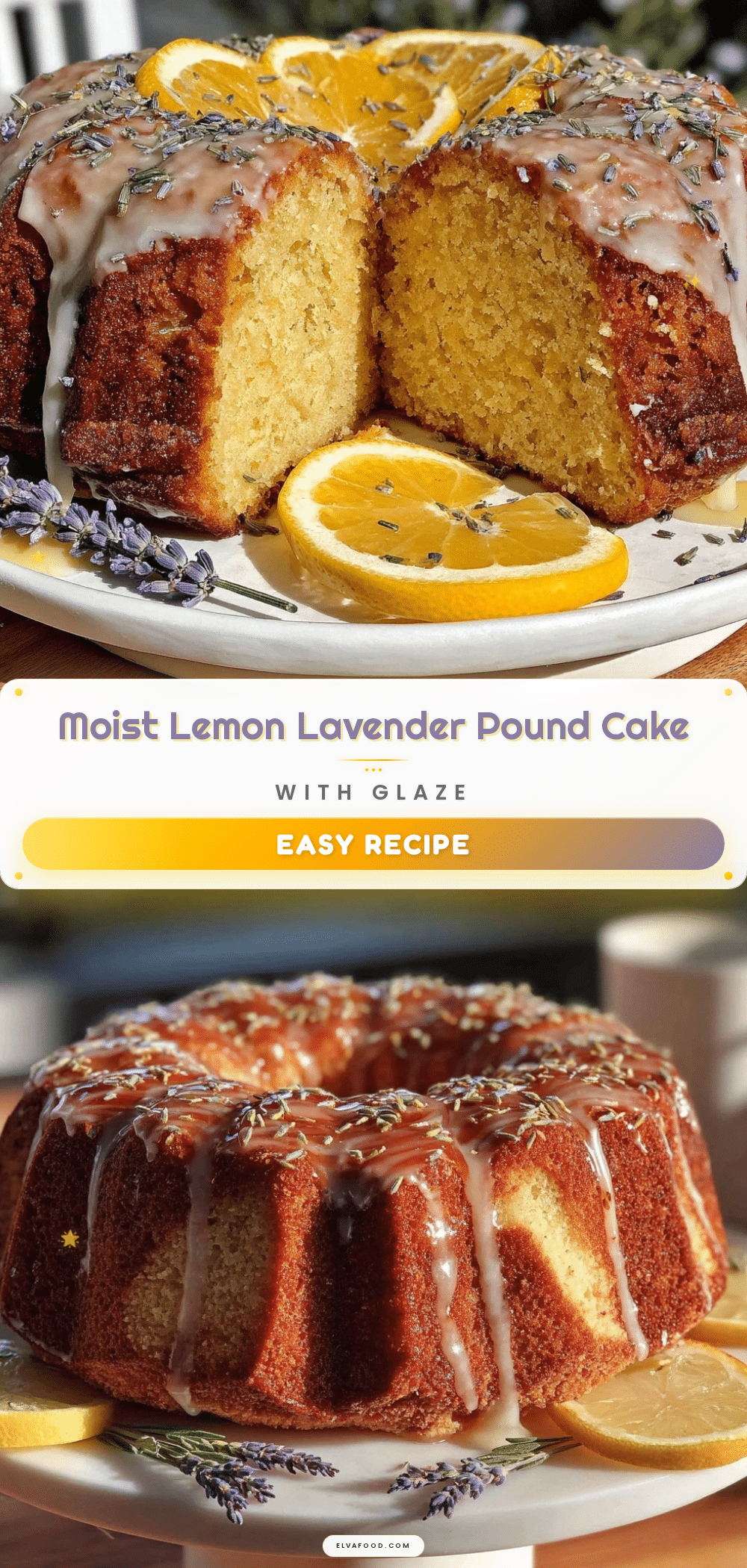
Moist Lemon Lavender Pound Cake Recipe with Easy Honey Lemon Glaze
A moist and tender lemon lavender pound cake infused with dried culinary lavender and bright lemon flavor, topped with a glossy honey lemon glaze for a sweet-tart finish.
- Prep Time: 15 minutes
- Cook Time: 50-60 minutes
- Total Time: 1 hour 10-15 minutes
- Yield: 12 servings 1x
- Category: Dessert
- Cuisine: American
Ingredients
- 2 cups (250g) all-purpose flour
- 1 ½ teaspoons baking powder
- ½ teaspoon salt
- 1 cup (227g) unsalted butter, softened
- 1 ½ cups (300g) granulated sugar
- 4 large eggs, at room temperature
- Zest from 2 large lemons (about 2 tablespoons)
- ¼ cup (60ml) fresh lemon juice
- 2 tablespoons dried culinary lavender buds, finely crushed
- ½ cup (120ml) whole milk or buttermilk
- For the honey lemon glaze:
- 1 cup (120g) powdered sugar, sifted
- 3 tablespoons honey
- 2 tablespoons fresh lemon juice
- 1–2 tablespoons warm water
Instructions
- Preheat oven to 350°F (175°C). Grease a 9×5-inch loaf pan with butter and line with parchment paper, leaving overhang for easy removal.
- In a medium bowl, whisk together flour, baking powder, and salt. Set aside.
- In a large bowl, beat softened butter and granulated sugar with an electric mixer until light and fluffy, about 3-4 minutes.
- Add eggs one at a time, beating well after each addition.
- Stir in lemon zest and crushed lavender buds.
- Alternately add dry ingredients and milk to the butter mixture, starting and ending with dry ingredients. Mix gently until just combined.
- Fold in fresh lemon juice carefully.
- Pour batter into prepared pan and smooth the top.
- Bake for 50-60 minutes, checking at 50 minutes with a toothpick for doneness.
- Cool cake in pan for 15 minutes, then lift out using parchment overhang and cool completely on a wire rack.
- Prepare glaze by whisking powdered sugar, honey, and lemon juice in a small bowl. Add warm water 1 teaspoon at a time until pourable but not runny.
- Drizzle glaze evenly over cooled cake and let set for about 20 minutes before slicing.
Notes
Use food-grade culinary lavender to avoid bitterness. Crush lavender buds finely for aroma without texture issues. Do not overmix batter to keep cake tender. Check doneness starting at 50 minutes. Let cake cool completely before glazing to prevent glaze melting. Cake flavor improves after resting a day. For gluten-free, substitute flour with gluten-free blend. For dairy-free, use plant-based milk and butter alternatives. Honey can be substituted with maple syrup or agave nectar for vegan option.
Nutrition
- Serving Size: 1 slice (1/12th of c
- Calories: 280
- Fat: 14
- Carbohydrates: 35
- Protein: 4
Keywords: lemon pound cake, lavender cake, honey lemon glaze, moist pound cake, floral dessert, easy baking, spring cake