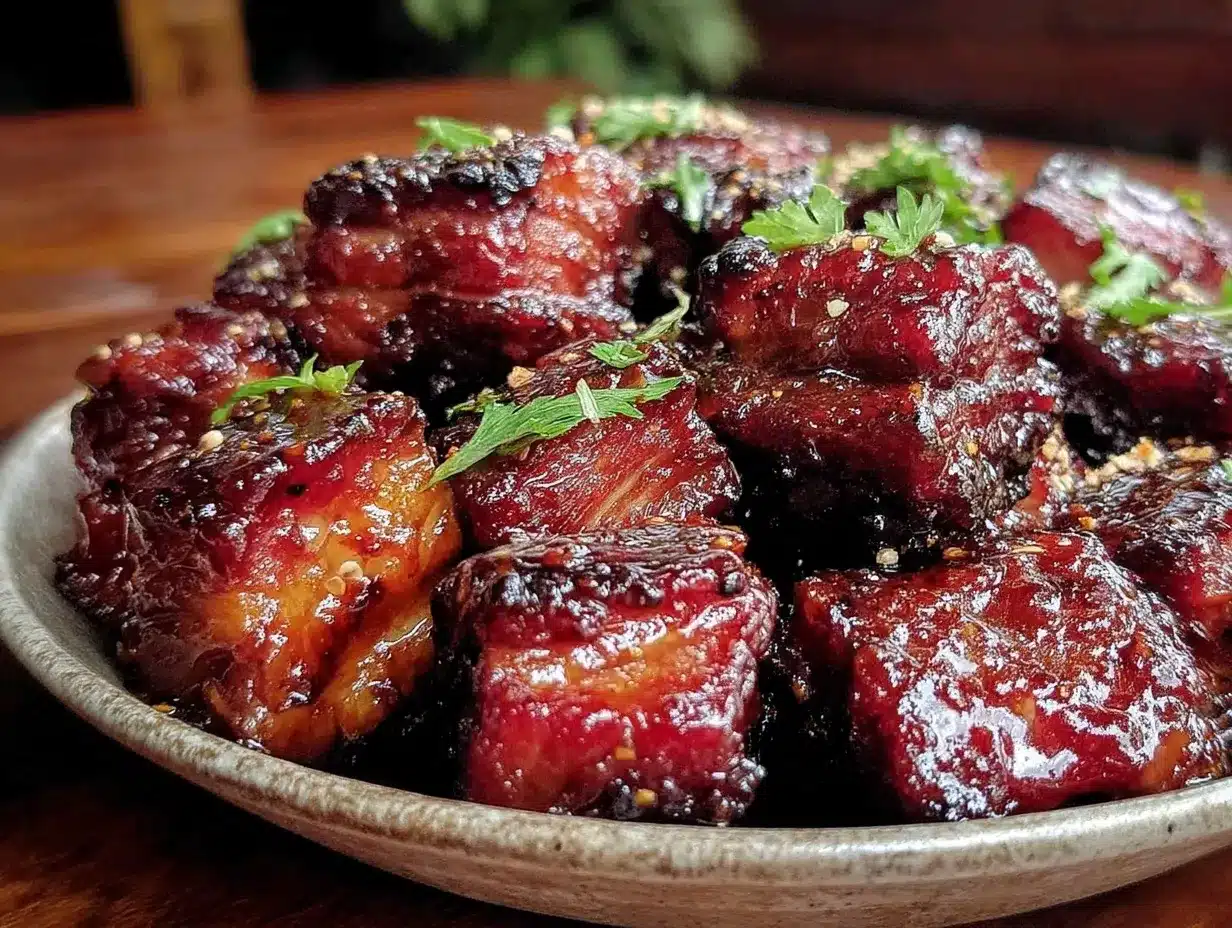
“You’ve got to try the burnt ends,” my buddy said over a crackling fire, tossing a chunk of smoked brisket into my hand. Honestly, I wasn’t expecting much—just another BBQ snack to fill the gap before dinner. But that first bite? The smoky crust, the tender meat, and that sticky, sweet Kansas City BBQ sauce hit me like a flavor explosion. It was one of those rare moments where you realize something simple can be so deeply satisfying.
I remember standing there by the smoker, the evening air thick with the scent of hickory wood and spices, thinking, “Why haven’t I made these before?” The burnt ends, a classic BBQ gem, are actually the flavorful, caramelized cubes cut from the point end of a smoked brisket. They’re a bit of magic—crispy edges with juicy, tender centers. If you’ve ever wondered what to do with the less glamorous parts of the brisket, these burnt ends turn that question into a delicious answer.
Since that night, I couldn’t stop making these burnt ends, tweaking the Kansas City style BBQ sauce to get just the right balance of tang, sweet, and smoky. It’s a recipe that’s become my go-to for backyard gatherings and lazy weekends when I want something hearty but not fussy. You know, the kind of dish that invites you to linger over a meal, savoring each bite without rushing.
There’s something quietly comforting about slow-smoked meat paired with a sauce that clings to every morsel. This recipe stuck with me because it’s not just food—it’s an experience that brings people together around the grill. It’s the kind of flavor that makes you pause, close your eyes, and just enjoy the moment.
Why You’ll Love This Recipe
This flavorful smoked brisket burnt ends recipe with Kansas City BBQ sauce isn’t just another BBQ dish—it’s a celebration of tradition and taste that I’ve perfected over countless cooks. Here’s why it’s become a staple in my kitchen:
- Quick & Easy: While brisket sounds intimidating, these burnt ends come together in a few simple steps after the initial smoke—perfect for a weekend project or when you want to impress without stress.
- Simple Ingredients: Nothing fancy here—just quality brisket, a handful of spices, and a homemade Kansas City BBQ sauce from pantry staples.
- Best for Gatherings: Whether it’s a casual cookout or a game day, burnt ends are always the first thing to disappear from the platter.
- Crowd-Pleaser: Kids, adults, BBQ newbies, and pros alike rave about these. The sauce’s sweet and tangy notes balance the smoky meat perfectly.
- Unbelievably Delicious: The texture contrast between the crisp bark and tender inside is downright addictive, making each bite a little celebration.
What sets this recipe apart? I like to blend my own Kansas City BBQ sauce from scratch, giving it a rich molasses base with a touch of vinegar and just enough heat to keep things interesting. Plus, smoking the brisket slowly over hickory wood adds that authentic depth you just can’t buy pre-made. Honestly, it’s the kind of recipe that gets better every time you make it because you learn how to get that bark just right.
What Ingredients You Will Need
This recipe uses simple, wholesome ingredients to deliver bold flavor and satisfying texture without the fuss. Most are pantry staples, and the brisket is the real star. Here’s what you’ll want to have on hand:
- For the Brisket Burnt Ends:
- 5 lbs (2.3 kg) beef brisket point cut (ask your butcher for a well-marbled piece)
- 2 tbsp kosher salt
- 2 tbsp coarse black pepper
- 2 tbsp smoked paprika (adds smoky depth)
- 1 tbsp garlic powder
- 1 tbsp onion powder
- 1 tsp cayenne pepper (optional for heat)
- Wood chips or chunks (hickory recommended for authentic flavor)
- For the Kansas City BBQ Sauce:
- 1 cup ketchup (I prefer Hunt’s for a balanced sweetness)
- 1/2 cup molasses (dark, robust flavor)
- 1/4 cup apple cider vinegar
- 1/4 cup brown sugar (packed)
- 2 tbsp Worcestershire sauce
- 1 tbsp Dijon mustard
- 1 tsp smoked paprika
- 1/2 tsp garlic powder
- 1/2 tsp onion powder
- Salt and pepper to taste
If you want to switch things up, you can substitute almond flour for dry rub fillers to keep it gluten-free or swap the apple cider vinegar with balsamic vinegar for a slightly richer tang. For a vegan BBQ sauce twist, try coconut sugar instead of brown sugar and use a plant-based ketchup.
Equipment Needed
Making smoked brisket burnt ends isn’t complicated, but having the right tools helps. Here’s what you’ll need:
- Smoker or a grill set up for indirect cooking (charcoal or gas with a smoker box works well)
- Meat thermometer (preferably digital and instant-read for accuracy)
- Sharp knife for trimming and cutting the brisket
- Mixing bowls for the dry rub and BBQ sauce
- Aluminum foil or butcher paper (to wrap the brisket during cooking)
- Wood chips or chunks (hickory is classic, but oak or pecan can also be great)
- Heat-resistant gloves (for handling hot meat and coals safely)
- Spray bottle with apple juice or water (optional, helps maintain moisture during smoking)
If you don’t have a dedicated smoker, no worries—using a charcoal grill with indirect heat and wood chips in a smoker box is a budget-friendly option that still produces great results. I’ve also had good luck with electric smokers when the weather doesn’t cooperate.
Preparation Method
- Prep the Brisket: Trim excess fat from the brisket point, leaving about 1/4 inch for flavor and moisture. Pat dry with paper towels. This helps the rub stick better and creates a crisp bark.
- Mix the Dry Rub: In a bowl, combine kosher salt, black pepper, smoked paprika, garlic powder, onion powder, and cayenne pepper. Rub the mixture generously all over the brisket, pressing it in with your hands. Let it rest at room temperature for 30 minutes to absorb the flavors.
- Preheat the Smoker: Set your smoker to 225°F (107°C). Add your choice of wood chips (hickory recommended) to the smoker box or directly on coals. Maintain consistent heat throughout the cooking process.
- Smoke the Brisket: Place the brisket fat side up on the smoker grate. Insert a meat thermometer into the thickest part. Smoke the brisket for about 4-5 hours, or until the internal temperature hits 165°F (74°C). During this time, spritz the meat every hour with apple juice to keep it moist.
- Wrap and Continue Smoking: Wrap the brisket tightly in butcher paper or foil to lock in moisture. Return it to the smoker and continue cooking until the internal temperature reaches 195-203°F (90-95°C), about 3-4 more hours. This step tenderizes the meat perfectly.
- Rest and Cube: Remove the brisket from the smoker and let it rest for 30 minutes. Then, cut the point into 1 to 1.5-inch cubes—these are your burnt ends.
- Make the BBQ Sauce: While the brisket rests, combine ketchup, molasses, apple cider vinegar, brown sugar, Worcestershire sauce, Dijon mustard, smoked paprika, garlic powder, onion powder, salt, and pepper in a saucepan. Simmer over low heat for 15 minutes, stirring occasionally until thickened.
- Finish the Burnt Ends: Toss the brisket cubes in the BBQ sauce, then spread them on a foil-lined pan. Return to the smoker or oven at 250°F (121°C) for another hour until the sauce is sticky and caramelized.
- Serve: Let the burnt ends rest a few minutes before serving. The edges should be crispy, and the insides tender and juicy, with that unmistakable smoky-sweet Kansas City flavor.
Cooking Tips & Techniques
Smoking brisket burnt ends is part art, part science. Here are some tips I’ve gathered the hard way:
- Patience is key: Don’t rush the smoke. Low and slow at 225°F is what builds that tender texture and deep bark.
- Don’t skip the wrap: Wrapping the brisket in butcher paper or foil after the stall helps push through to tender perfection while keeping moisture locked in.
- Use a good thermometer: Temperature, not time, is your best guide. The meat is done when it’s tender between 195-203°F internally.
- Wood choice matters: Hickory gives that classic BBQ smoke flavor, but mixing in a bit of fruit wood like apple can add a subtle sweetness.
- Keep the sauce balanced: If your BBQ sauce is too sweet, a splash of vinegar brightens it up. Too tangy? More molasses or brown sugar does the trick.
- Try spritzing: Lightly misting the brisket with apple juice or even diluted vinegar during smoking helps maintain moisture and adds a subtle tang.
From experience, I’ve learned that burnt ends are forgiving, but a little attention during the smoke pays off with big returns in flavor and texture. If you love smoking meat, these burnt ends will become a regular favorite, alongside dishes like my slow cooker carnitas for a different kind of tender meat delight.
Variations & Adaptations
This smoked brisket burnt ends recipe is versatile and can be adapted to fit various tastes and dietary needs:
- Spicy Burnt Ends: Add chipotle powder or cayenne to the dry rub and a dash of hot sauce to the BBQ sauce for a smoky heat kick.
- Sweet & Tangy Twist: Swap molasses with honey and add a splash of pineapple juice to the BBQ sauce for tropical notes that balance the smoke.
- Gluten-Free Option: Most ingredients are naturally gluten-free, but double-check Worcestershire sauce and ketchup labels. Use gluten-free alternatives if needed.
- Oven Method: Don’t have a smoker? After applying the rub, roast the brisket low and slow in the oven at 250°F (121°C) until tender, then finish with the sauce under the broiler to caramelize.
- Personal Favorite: I’ve experimented by adding a bit of brewed coffee to the BBQ sauce for a deep, earthy undertone that pairs beautifully with the brisket’s smokiness.
Serving & Storage Suggestions
Serve your burnt ends warm, ideally fresh off the smoker when the sauce is sticky and tempting. They pair wonderfully with classic BBQ sides like creamy coleslaw, baked beans, or even a fresh spring vegetable salad for a lighter contrast.
If you want to try something a bit different, these burnt ends also make a killer topping for baked potatoes or can be tucked into soft slider buns for a messy, satisfying sandwich experience reminiscent of dishes like Italian wedding soup’s hearty meatballs—comfort food that sticks with you.
For storing, keep burnt ends in an airtight container in the refrigerator for up to 4 days. Reheat gently in the oven at 300°F (150°C) covered with foil to avoid drying out. You can freeze them for up to 3 months—just thaw overnight in the fridge and reheat slowly.
Flavors often deepen after a day or two in the fridge, making them a perfect make-ahead option for busy weekends or gatherings.
Nutritional Information & Benefits
While burnt ends are definitely a treat, knowing what’s in your food helps balance indulgence with wellness. Here’s an approximate breakdown per 3 oz (85 g) serving:
| Calories | 280 |
|---|---|
| Protein | 22g |
| Fat | 18g |
| Carbohydrates | 8g (mostly from BBQ sauce) |
| Sugar | 6g |
Brisket is a good source of iron and zinc, important for energy and immune support. The molasses in the BBQ sauce adds minerals like calcium and magnesium. If you’re watching carbs or sugars, you can adjust the BBQ sauce by reducing sugar or swapping for low-sugar ketchup.
This recipe fits well into a balanced diet when enjoyed in moderation and pairs nicely with fresh vegetables or salads to round out the meal.
Conclusion
This flavorful smoked brisket burnt ends recipe with Kansas City BBQ sauce has earned a special place in my cooking rotation. It’s approachable, packed with rich smoky flavor, and the sauce is that perfect blend of sweet and tangy that makes every bite memorable. I love how it turns a humble cut into something that feels like a celebration.
Feel free to make it your own—tweak the sauce, try different woods, or spice it up to suit your mood. Personalizing recipes is where the real fun begins. And if you’ve ever enjoyed a dish like the smoky miso glazed salmon, you’ll appreciate how burnt ends bring a similar depth, just with a different kind of comfort.
Give this recipe a go, and drop a comment sharing your favorite twist or what sides you paired it with—I’m always curious how others bring their BBQ game to the next level. Here’s to smoky, sticky, unforgettable burnt ends!
FAQs
What are burnt ends and why are they special?
Burnt ends are flavorful, caramelized cubes cut from the point end of a smoked brisket. They’re prized for their crispy bark and tender, juicy interior, delivering a unique texture and deep smoky flavor.
Can I make burnt ends without a smoker?
Yes! You can cook the brisket low and slow in an oven, then finish the burnt ends under the broiler or at a high oven temperature to caramelize the sauce and develop that signature crust.
How long does it take to smoke brisket for burnt ends?
Smoking the brisket to the right tenderness usually takes about 7-9 hours at 225°F (107°C), including wrapping and resting time. Patience gives you the best results.
What wood is best for smoking brisket burnt ends?
Hickory is classic for brisket, offering a strong smoky flavor. Oak and pecan are also excellent choices if you prefer a milder smoke.
Can I prepare the BBQ sauce ahead of time?
Absolutely! The Kansas City BBQ sauce can be made a few days ahead and stored in the fridge. This actually helps the flavors meld and intensify.
Pin This Recipe!
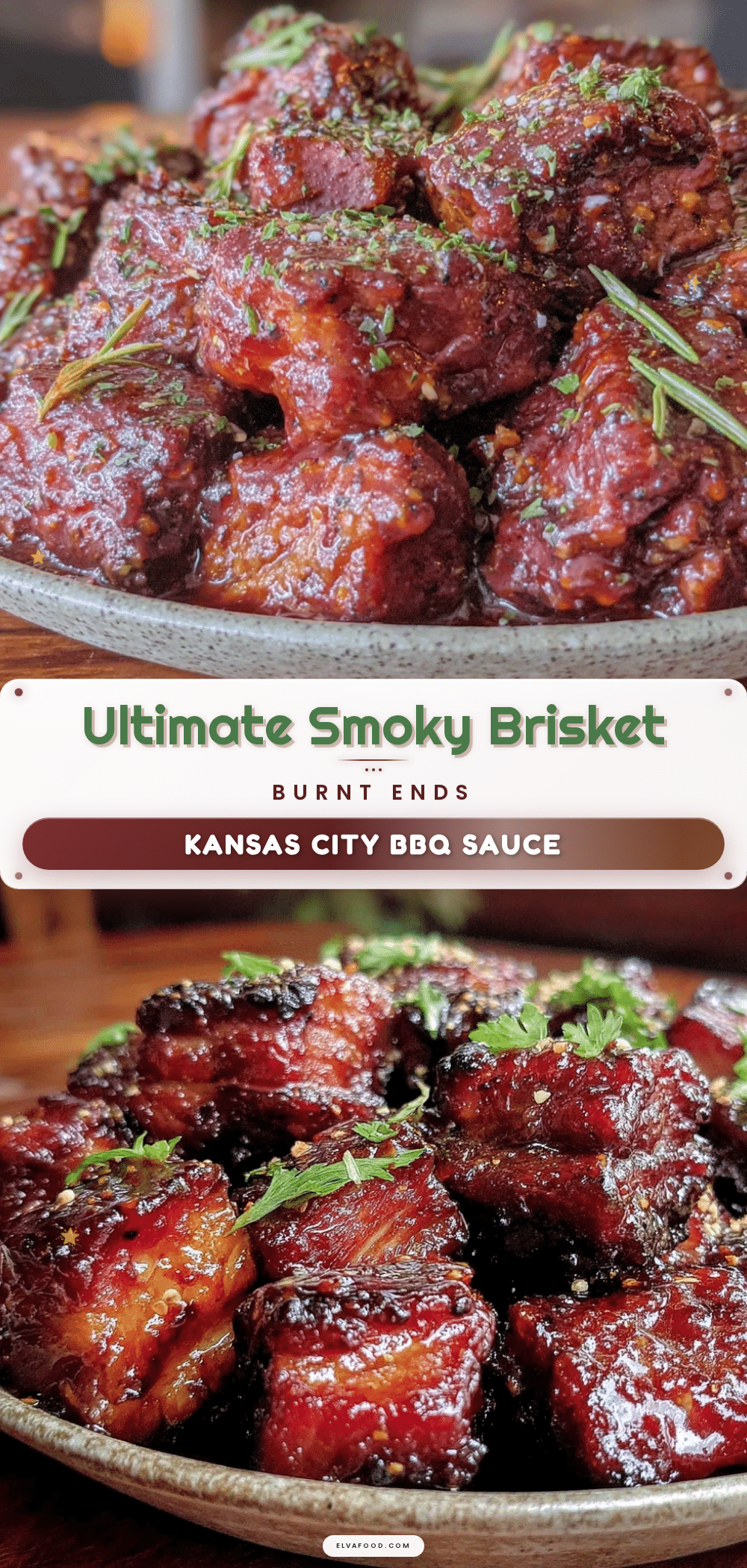
Flavorful Smoked Brisket Burnt Ends Recipe with Kansas City BBQ Sauce
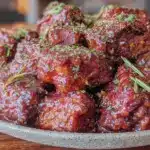
A delicious recipe for smoky, tender burnt ends made from the point cut of brisket, paired with a sweet and tangy homemade Kansas City BBQ sauce. Perfect for backyard gatherings and BBQ lovers.
- Prep Time: 45 minutes
- Cook Time: 8 hours
- Total Time: 8 hours 45 minutes
- Yield: 6-8 servings 1x
- Category: Main Course
- Cuisine: American BBQ
Ingredients
- 5 lbs beef brisket point cut (well-marbled)
- 2 tbsp kosher salt
- 2 tbsp coarse black pepper
- 2 tbsp smoked paprika
- 1 tbsp garlic powder
- 1 tbsp onion powder
- 1 tsp cayenne pepper (optional)
- Wood chips or chunks (hickory recommended)
- 1 cup ketchup
- 1/2 cup molasses
- 1/4 cup apple cider vinegar
- 1/4 cup brown sugar (packed)
- 2 tbsp Worcestershire sauce
- 1 tbsp Dijon mustard
- 1 tsp smoked paprika
- 1/2 tsp garlic powder
- 1/2 tsp onion powder
- Salt and pepper to taste
Instructions
- Trim excess fat from the brisket point, leaving about 1/4 inch for flavor and moisture. Pat dry with paper towels.
- In a bowl, combine kosher salt, black pepper, smoked paprika, garlic powder, onion powder, and cayenne pepper. Rub the mixture generously all over the brisket. Let rest at room temperature for 30 minutes.
- Preheat smoker to 225°F (107°C). Add hickory wood chips to smoker box or coals.
- Place brisket fat side up on smoker grate. Insert meat thermometer into thickest part. Smoke for 4-5 hours until internal temperature reaches 165°F (74°C), spritzing with apple juice every hour.
- Wrap brisket tightly in butcher paper or foil. Return to smoker and continue cooking until internal temperature reaches 195-203°F (90-95°C), about 3-4 more hours.
- Remove brisket and let rest for 30 minutes. Cut point into 1 to 1.5-inch cubes (burnt ends).
- Combine ketchup, molasses, apple cider vinegar, brown sugar, Worcestershire sauce, Dijon mustard, smoked paprika, garlic powder, onion powder, salt, and pepper in a saucepan. Simmer over low heat for 15 minutes until thickened.
- Toss brisket cubes in BBQ sauce. Spread on foil-lined pan and return to smoker or oven at 250°F (121°C) for 1 hour until sauce is sticky and caramelized.
- Let burnt ends rest a few minutes before serving.
Notes
Patience is key; smoke low and slow at 225°F. Wrapping the brisket after the stall locks in moisture and helps tenderize. Use a good thermometer to check doneness by temperature, not time. Hickory wood is classic, but oak or pecan can be used. Spritz with apple juice to maintain moisture. Adjust BBQ sauce sweetness or tanginess to taste.
Nutrition
- Serving Size: 3 oz (85 g)
- Calories: 280
- Sugar: 6
- Fat: 18
- Carbohydrates: 8
- Protein: 22
Keywords: smoked brisket, burnt ends, Kansas City BBQ sauce, BBQ, smoked meat, brisket recipe, backyard BBQ, smoked brisket burnt ends