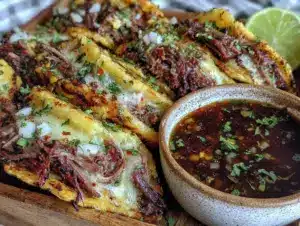
It was one of those evenings where I barely had the energy to decide what to eat, let alone cook. My kitchen was a mess, and the thought of a takeout order was tempting but uninspiring. Then a text from a friend popped up: “You HAVE to try making bulgogi wraps—trust me, it’s a game changer.” I was skeptical. Korean food? Lettuce wraps? Spicy gochujang? Honestly, I wasn’t sure if I had all those ingredients lying around, but curiosity won.
I rummaged through my fridge and pantry, pieced together what I had, and threw together this recipe for flavorful Korean bulgogi beef lettuce wraps with spicy gochujang. What started as a last-minute experiment turned into one of the most satisfying meals I’d had in weeks. The sweetness of the marinated beef paired with the crisp freshness of the lettuce and the fiery kick of gochujang sauce created a harmony I didn’t expect—like a little party in my mouth on a chaotic night.
Since then, I’ve made these wraps countless times, tweaking the marinade just so and adjusting the spice level to keep things exciting. It’s become my go-to when I want something that feels special but isn’t a hassle. And you know, there’s something pretty comforting about wrapping up all those bold flavors in a crisp leaf and eating with your hands—it makes dinner feel casual and celebratory all at once. This recipe stuck with me because it’s honest, straightforward, and reliably delicious, even on days when you think you can’t muster the energy to cook. That’s the kind of recipe I’m happy to share.
Why You’ll Love This Recipe
- Quick & Easy: Comes together in under 30 minutes, perfect for busy weeknights or spontaneous dinner plans.
- Simple Ingredients: Uses pantry basics and fresh staples—no need for specialty stores or hard-to-find items.
- Perfect for Gatherings: Great for casual get-togethers, game nights, or even lunch on the go.
- Crowd-Pleaser: The balance of sweet, savory, and spicy flavors always gets rave reviews from friends and family.
- Unbelievably Delicious: The tender, caramelized beef with the crisp crunch of lettuce and that fiery gochujang glaze is next-level comfort food.
This isn’t just another bulgogi recipe floating around online. What makes these wraps special is the marinade—balanced with a touch of toasted sesame oil and a hint of garlic—and the spicy gochujang sauce that adds a satisfying heat without overpowering. I’ve tested this recipe multiple times, adjusting the sugar and soy sauce ratios until it hits that perfect spot between sweet and savory. The fresh lettuce leaves act as a crisp, refreshing vessel that cools down the spice and adds a fun, interactive element to the meal.
Plus, it’s versatile. Whether you want to keep it traditional or add your own twist, these wraps adapt easily. Honestly, it’s the kind of recipe that makes you close your eyes after the first bite and smile, thinking, “Yep, this is exactly what I needed.”
What Ingredients You Will Need
This recipe uses simple, wholesome ingredients to deliver bold flavor and satisfying texture without the fuss. Most of these are pantry staples or easy to find at any grocery store.
- For the Bulgogi Beef:
- 1 pound (450g) thinly sliced beef ribeye or sirloin (ask your butcher for bulgogi-cut if possible)
- 3 tablespoons soy sauce (I prefer Kikkoman for its balanced saltiness)
- 1 tablespoon brown sugar (adds a subtle caramel note)
- 1 tablespoon sesame oil (toasted, for that nutty warmth)
- 3 cloves garlic, minced (fresh is best here)
- 1 teaspoon freshly grated ginger (adds zing and depth)
- 1/2 small onion, thinly sliced (adds natural sweetness)
- 1/2 teaspoon black pepper
- 1 tablespoon mirin or rice wine (optional but recommended for authentic flavor)
- For the Spicy Gochujang Sauce:
- 2 tablespoons gochujang (Korean chili paste; medium spice level)
- 1 teaspoon honey or maple syrup (balances the heat)
- 1 teaspoon rice vinegar (adds brightness)
- 1 teaspoon sesame oil (for richness)
- 1 teaspoon water (to thin, if needed)
- For Serving:
- 1 head of butter or Bibb lettuce (large, tender leaves for wrapping)
- 2 green onions, thinly sliced (for a fresh, mild onion crunch)
- 1 tablespoon toasted sesame seeds (optional, for garnish)
- Kimchi or pickled vegetables (optional, for extra tang and texture)
If you want to swap out beef, thinly sliced chicken or pork also works well. For a gluten-free version, use tamari instead of soy sauce. And if you’re not keen on the heat, adjusting the gochujang down or mixing it with a bit of mayo creates a creamy, milder sauce.
Equipment Needed
- Large mixing bowl (to marinate the beef evenly)
- Non-stick skillet or cast-iron pan (for caramelizing the beef)
- Sharp knife and cutting board (for slicing beef and vegetables)
- Measuring spoons and cups (to get the marinade just right)
- Small bowl or jar (to mix the gochujang sauce)
- Tongs or wooden spatula (for stirring the beef while cooking)
If you don’t have a cast-iron skillet, a heavy stainless steel pan works just as well for searing. For budget-friendly options, a good non-stick pan can prevent sticking and ease cleanup. I like to keep a small silicone brush handy for spreading the sauce evenly if you want to brush it on, but stirring it in works perfectly fine too.
After cooking, a simple serving platter or individual plates with lettuce leaves arranged on the side make for a fun, hands-on meal presentation.
Preparation Method
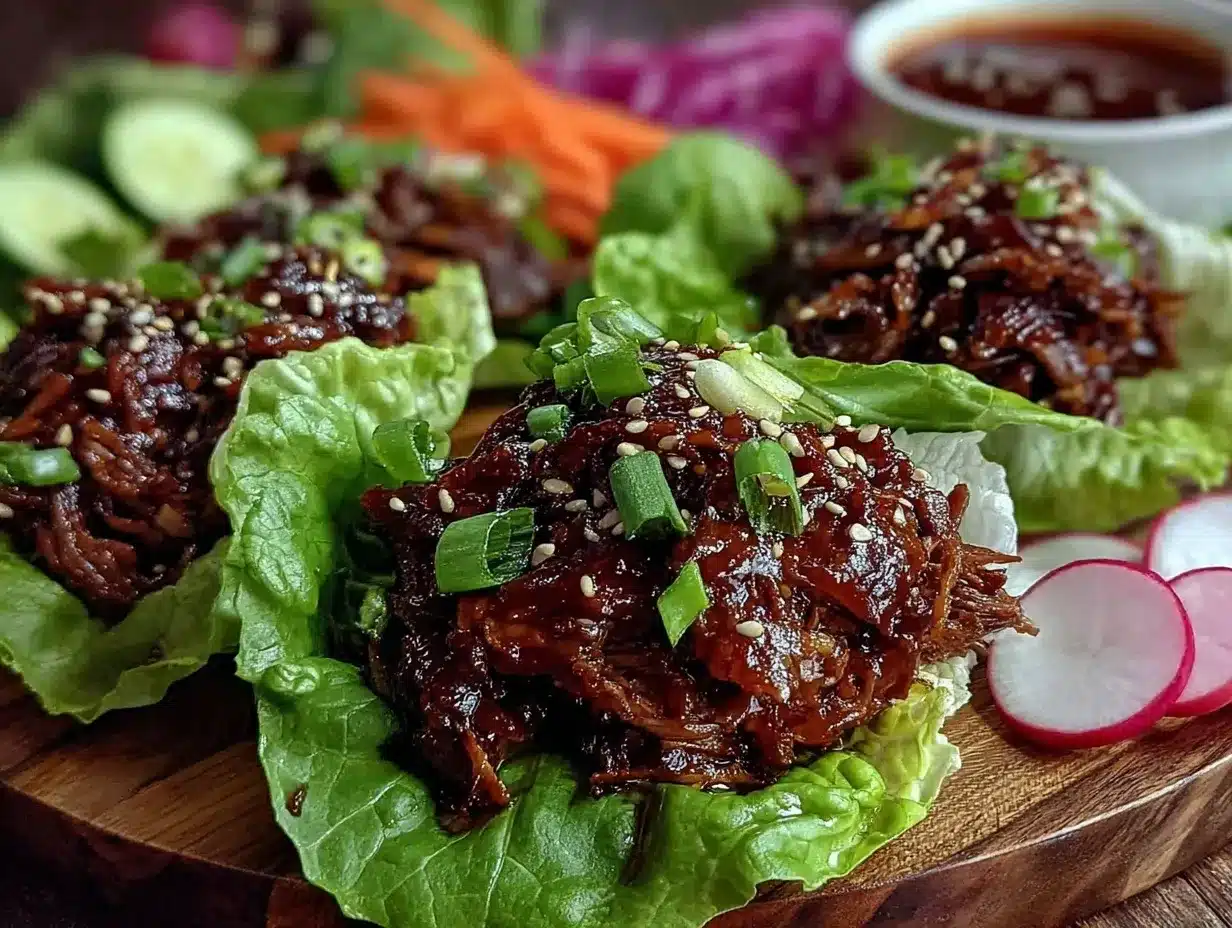
- Prepare the Beef Marinade: In a large bowl, combine 3 tablespoons soy sauce, 1 tablespoon brown sugar, 1 tablespoon toasted sesame oil, minced garlic, grated ginger, thinly sliced onion, black pepper, and mirin (if using). Stir until sugar is dissolved and ingredients are well mixed. (Approx. 5 minutes)
- Marinate the Beef: Add the thinly sliced beef to the marinade, tossing gently to coat all pieces. Cover and refrigerate for at least 20 minutes, up to 1 hour for deeper flavor absorption. (Tip: If short on time, even 10 minutes makes a difference.)
- Mix the Spicy Gochujang Sauce: In a small bowl, whisk together gochujang, honey, rice vinegar, sesame oil, and water until smooth. Set aside. Adjust sweetness or heat by adding more honey or gochujang as preferred.
- Prepare Lettuce and Garnishes: Rinse the lettuce leaves carefully, pat dry with paper towels, and arrange on a serving platter. Slice green onions thinly and set aside. Toast sesame seeds in a dry pan over low heat for 2-3 minutes until fragrant, if using.
- Cook the Bulgogi Beef: Heat a non-stick skillet or cast-iron pan over medium-high heat. Once hot, add the marinated beef in a single layer (you may need to do this in batches to avoid overcrowding). Cook for 2-3 minutes per side until beef is caramelized and cooked through, stirring occasionally. The beef should be tender and slightly crispy on edges. (Watch closely to avoid burning.)
- Combine Beef with Gochujang Sauce: Remove the beef from heat and immediately toss it with the prepared spicy gochujang sauce. The residual heat will help the sauce meld beautifully with the beef.
- Assemble the Wraps: To eat, spoon a generous amount of bulgogi beef onto a lettuce leaf, sprinkle with sliced green onions and sesame seeds, and add kimchi or pickles if using. Fold the lettuce around the filling and enjoy! (Tip: Eat immediately to savor the contrast of warm beef and crisp lettuce.)
Cooking Tips & Techniques
Getting bulgogi beef just right is about balance and timing. Cook the beef over medium-high heat in batches to avoid steaming, which makes it soggy instead of caramelized. I’ve found that letting the beef sit undisturbed for a minute or two before stirring helps develop that beautiful sear.
When marinating, don’t skip the ginger—it cuts through the richness and adds a fresh bite. If you’re short on time, even a quick 10-minute soak imparts plenty of flavor. For the gochujang sauce, taste as you mix; some brands are spicier than others, so adjust honey accordingly.
And here’s a little lesson I learned the hard way: always dry your lettuce leaves well. Wet or damp leaves wilt quickly and make the wraps soggy. Pat them dry with paper towels and keep them chilled until ready to serve for that satisfying crunch.
Finally, multitasking is your friend—marinate the beef while prepping lettuce and mixing sauce to speed things up. With practice, these wraps come together in a flash and look way fancier than they are.
Variations & Adaptations
- Vegetarian Version: Swap beef for marinated mushrooms or tofu. Use the same marinade and cook until golden. The gochujang sauce adds plenty of punch.
- Spice Level Adjustments: For milder wraps, mix gochujang with a bit of Greek yogurt or mayo. For extra heat, add a pinch of red pepper flakes or dab on some fresh sliced chili.
- Seasonal Twist: In warmer months, add fresh cucumber ribbons or shredded carrots inside the wraps for crunch and color. In winter, serve alongside steamed rice and kimchi for a heartier meal.
- Low-Carb Option: Stick with lettuce wraps and skip any rice or noodles. You can also use butter lettuce or romaine for a crisp, carb-free shell.
- Personal Variation: I sometimes add a splash of orange juice to the marinade—just a touch—to brighten the flavor and add subtle citrus notes. It’s an easy tweak that gives the beef a lovely depth.
Serving & Storage Suggestions
These bulgogi beef lettuce wraps are best served immediately while the beef is warm and the lettuce crisp. I like to arrange the components buffet-style for a casual, interactive meal where everyone can build their own wraps.
Pair this dish with light sides like steamed jasmine rice, pickled vegetables, or a simple cucumber salad to balance the richness and spice. A cold, crisp beer or iced green tea complements the flavors beautifully.
If you have leftovers, store the cooked beef and sauce separately in an airtight container in the refrigerator for up to 3 days. Keep lettuce leaves wrapped in paper towels inside a sealed bag to maintain freshness. When reheating the beef, warm gently in a skillet over medium heat to avoid drying out.
Flavors tend to develop and deepen after a day, so leftovers can be even tastier—just add fresh garnishes and crisp lettuce when serving again.
Nutritional Information & Benefits
This recipe is a balanced combination of protein, healthy fats, and fresh vegetables. A serving (about 4 wraps) typically contains:
| Nutrient | Amount |
|---|---|
| Calories | 320 kcal |
| Protein | 28g |
| Fat | 15g |
| Carbohydrates | 12g |
| Fiber | 2g |
Beef provides high-quality protein and essential nutrients like iron and zinc. Sesame oil and seeds add heart-healthy fats, while fresh lettuce supplies fiber and vitamins. Gochujang, made from fermented chili paste, contains beneficial probiotics and antioxidants, contributing to gut health.
This meal is naturally gluten-containing due to soy sauce, but swapping with tamari makes it gluten-free. It’s also low in carbs when served with just lettuce wraps, making it suitable for low-carb or paleo diets.
Conclusion
Flavorful Korean bulgogi beef lettuce wraps with spicy gochujang bring together bold, balanced flavors and a fun, hands-on eating experience. Whether you’re feeding a crowd or just treating yourself after a busy day, this recipe fits the bill for a quick, satisfying, and impressive meal.
Feel free to customize the spice level, swap proteins, or add your favorite garnishes to make it your own. For me, these wraps captured a perfect moment of comfort and simplicity when I needed it most—something I keep coming back to again and again.
Give this recipe a try and see how it transforms your weeknight dinners. I’d love to hear your twists and how you serve it up—don’t hesitate to share your variations or questions below. Here’s to many delicious wraps ahead!
Frequently Asked Questions
Can I use ground beef instead of sliced beef for bulgogi?
While sliced beef is traditional and cooks quickly, ground beef can work in a pinch. Just adjust cooking times and be mindful that the texture will be different—less tender and more crumbly.
What if I can’t find gochujang at my local store?
Gochujang is increasingly common in supermarkets, especially in the international aisle. If unavailable, you can substitute a mix of chili paste and a bit of miso paste for sweetness and umami, though the flavor won’t be identical.
How spicy are these bulgogi wraps?
The spice level depends on the amount of gochujang used. This recipe is moderately spicy but can be toned down with more honey or balanced with creamy additions like yogurt or mayo.
Can I prepare the bulgogi marinade ahead of time?
Absolutely! The marinade can be made a day ahead and stored in the fridge. Marinate the beef for at least 20 minutes before cooking, but no longer than 2 hours for best texture.
What lettuce is best for wraps?
Butter lettuce or Bibb lettuce are ideal because of their soft, pliable leaves that hold filling well without tearing. Romaine or iceberg can be used too but are crisper and less flexible.
Pin This Recipe!
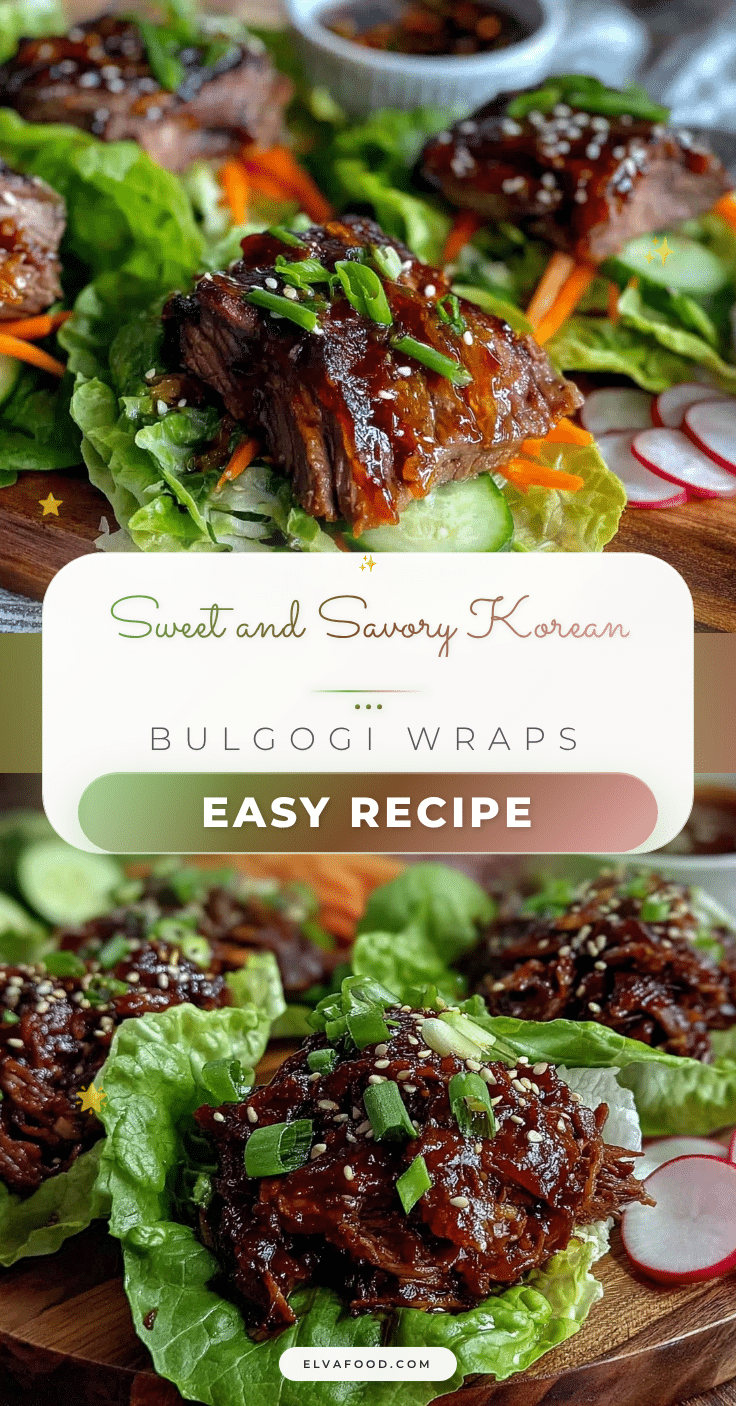
Flavorful Korean Bulgogi Beef Lettuce Wraps Easy Spicy Gochujang Recipe
These bulgogi beef lettuce wraps combine sweet, savory, and spicy flavors with tender caramelized beef and crisp lettuce for a quick, satisfying meal perfect for busy nights or casual gatherings.
- Prep Time: 10 minutes
- Cook Time: 10 minutes
- Total Time: 30 minutes
- Yield: 4 servings 1x
- Category: Main Course
- Cuisine: Korean
Ingredients
- 1 pound (450g) thinly sliced beef ribeye or sirloin
- 3 tablespoons soy sauce
- 1 tablespoon brown sugar
- 1 tablespoon toasted sesame oil
- 3 cloves garlic, minced
- 1 teaspoon freshly grated ginger
- 1/2 small onion, thinly sliced
- 1/2 teaspoon black pepper
- 1 tablespoon mirin or rice wine (optional)
- 2 tablespoons gochujang (Korean chili paste)
- 1 teaspoon honey or maple syrup
- 1 teaspoon rice vinegar
- 1 teaspoon sesame oil
- 1 teaspoon water
- 1 head butter or Bibb lettuce
- 2 green onions, thinly sliced
- 1 tablespoon toasted sesame seeds (optional)
- Kimchi or pickled vegetables (optional)
Instructions
- In a large bowl, combine soy sauce, brown sugar, toasted sesame oil, minced garlic, grated ginger, thinly sliced onion, black pepper, and mirin if using. Stir until sugar dissolves and ingredients are well mixed.
- Add the thinly sliced beef to the marinade, toss gently to coat all pieces. Cover and refrigerate for at least 20 minutes, up to 1 hour.
- In a small bowl, whisk together gochujang, honey, rice vinegar, sesame oil, and water until smooth. Set aside.
- Rinse lettuce leaves, pat dry, and arrange on a serving platter. Slice green onions and toast sesame seeds if using.
- Heat a non-stick skillet or cast-iron pan over medium-high heat. Add marinated beef in a single layer and cook 2-3 minutes per side until caramelized and cooked through, stirring occasionally.
- Remove beef from heat and toss immediately with the spicy gochujang sauce.
- To assemble, spoon bulgogi beef onto a lettuce leaf, sprinkle with green onions and sesame seeds, add kimchi or pickles if desired, fold the lettuce around the filling, and enjoy immediately.
Notes
Cook beef in batches to avoid steaming and achieve caramelization. Dry lettuce leaves thoroughly to prevent sogginess. Adjust gochujang and honey to control spice level. Marinate beef at least 20 minutes for best flavor but even 10 minutes helps.
Nutrition
- Serving Size: About 4 wraps per se
- Calories: 320
- Fat: 15
- Carbohydrates: 12
- Fiber: 2
- Protein: 28
Keywords: bulgogi, Korean beef, lettuce wraps, gochujang, spicy, easy dinner, quick recipe, Korean cuisine