Steam curls up from the pot, swirling with the rich, savory aroma of simmering broth, garlic, and ginger—honestly, it’s the kind of scent that wraps around you like your favorite blanket on a chilly night. The first time I ever tried making cozy homemade ramen from scratch, I was standing barefoot in my little kitchen as rain pattered against the windows. I remember ladling out that first bowl—noodles glistening, soft-boiled egg perched on top, a shower of green onions—and feeling a rush of pride (and maybe disbelief) that something so beautiful came together in my own home.
There’s this moment, right after you take that first slurp, when everything else just fades away. You pause, close your eyes, and think, “Wow, I made this.” My journey started years ago, long before ramen shops popped up everywhere. I was knee-high to a grasshopper when my grandma would simmer bones for hours, filling the house with a scent you couldn’t escape (not that you’d want to). I guess that’s why ramen always feels like a hug in a bowl—one you can share with your family or savor alone when you need a pick-me-up.
My family’s reactions? Let’s just say bowls empty out fast, and someone’s always sneaking extra noodles. My kids argue over who gets the last egg, and my partner can’t believe I didn’t just order takeout. There’s something magical about homemade ramen. It’s not just about the taste (though that’s a big part). It’s the comfort, the gathering, and the little moments of joy—like hearing slurps and laughter at the table.
Honestly, if I’d known how easy and satisfying cozy homemade ramen from scratch could be, I’d have started making it years ago. Perfect for rainy weekends, quick weeknight dinners, or when you want to show off on your Pinterest board—this ramen recipe has become a staple in our home. I’ve tested it more times than I can count (in the name of research, of course) and every time, it delivers pure comfort. Bookmark this one, because you’re going to want to make it again and again.
Why You’ll Love This Cozy Homemade Ramen Recipe
If you’ve ever wondered whether homemade ramen is worth the trouble, let me tell you—it’s a game changer. Over the years, I’ve tested countless variations, tweaked broths, and experimented with every noodle under the sun. Here’s what makes this cozy homemade ramen from scratch a must-try for beginners and ramen lovers alike:
- Quick & Easy: Comes together in under an hour, making it a realistic option even on busy weeknights. No need to simmer bones all day unless you really want to.
- Simple Ingredients: Everything you need is probably already in your kitchen—nothing fancy, just honest, real food.
- Perfect for Any Occasion: Whether it’s a rainy Sunday, a family movie night, or a cozy get-together, ramen fits right in. It’s also a fun “build-your-own” meal for picky eaters.
- Crowd-Pleaser: Kids, adults, and even “I’m not a soup person” folks end up going back for seconds. The slurping is half the fun!
- Unbelievably Delicious: The combination of savory broth, chewy noodles, and customizable toppings makes every bite comforting and special.
What sets this recipe apart? I use a blend of chicken broth and dashi for a lighter but deeply flavorful base—no need for hours of boiling pork bones (unless you’re after that super-rich tonkotsu vibe). A quick homemade tare (seasoning sauce) helps bring restaurant-level depth, and I’ll walk you through foolproof soft-boiled eggs (because we all know that jammy yolk is non-negotiable).
This cozy homemade ramen from scratch isn’t just good—it’s the kind of meal that makes you want to text a friend, “You have to try this!” It’s about slowing down, savoring simple pleasures, and making something nurturing with your own two hands. There’s something special about transforming pantry staples into a bowl of comfort. And if you’re like me, you’ll love how it brings everyone to the table—even the ones who claim they “don’t like soup.”
Bottom line? This ramen recipe delivers big flavor, reliable results, and a sense of accomplishment. It’s comfort food, but with a little extra soul (and a lot of slurp). Perfect for impressing guests or just treating yourself after a long day.
What Ingredients You Will Need
This cozy homemade ramen recipe uses simple, everyday ingredients that pack a punch of flavor and texture. You won’t need a trip to a specialty market (unless you want to jazz things up with extra toppings). Here’s what you’ll need:
- For the Broth:
- 6 cups (1.5 L) low-sodium chicken broth (homemade or store-bought; I like Kettle & Fire for deep flavor)
- 2 cups (480 ml) water
- 1 tablespoon dashi powder (optional but adds umami)
- 4 garlic cloves, smashed
- 2-inch (5 cm) piece of fresh ginger, sliced
- 2 tablespoons low-sodium soy sauce
- 1 tablespoon mirin (adds subtle sweetness; use a splash of honey if you don’t have it)
- 1 tablespoon toasted sesame oil
- For the Ramen Noodles:
- 4 servings fresh ramen noodles (about 12 oz/340 g; Sun Noodle is my go-to, but dried noodles work in a pinch)
- For the Tare (Seasoning Sauce):
- 2 tablespoons soy sauce
- 1 tablespoon miso paste (white or yellow; adds depth)
- 1 teaspoon sugar
- 1 tablespoon rice vinegar
- For the Soft-Boiled Eggs:
- 4 large eggs (room temperature if possible)
- Toppings (Choose Your Favorites):
- Green onions, thinly sliced
- Corn kernels (fresh or frozen, warmed)
- Bamboo shoots (canned, drained)
- Nori sheets (seaweed, cut into strips)
- Shredded cooked chicken or pork (for protein)
- Toasted sesame seeds
- Chili oil or sriracha (for a kick)
- Fresh spinach or baby bok choy (quickly wilted)
Ingredient Tips: If you’re gluten-free, swap the noodles for rice ramen or gluten-free soba. No dashi powder? Add a few dried shiitake mushrooms to the broth for extra umami. For a vegetarian version, use vegetable broth and skip the meat toppings. You can get creative with the toppings—a handful of leftover roasted veggies, a sprinkle of fried onions, or even a dash of furikake seasoning.
Most of these ingredients are pantry staples or easy to find at your local grocery store. If you do decide to hunt down fresh noodles or specialty toppings, they’re worth it—but don’t stress if you keep it simple. Ramen is forgiving, and that’s half the fun.
Equipment Needed
- Large Soup Pot or Dutch Oven: For simmering the broth and aromatics. A sturdy pot holds heat well and makes cleanup easier.
- Medium Saucepan: For boiling eggs and cooking noodles. If you want to multitask, use two saucepans.
- Fine Mesh Strainer: To strain out garlic, ginger, and any solids from the broth. If you don’t have one, a slotted spoon works in a pinch.
- Measuring Cups and Spoons: Precision matters for a balanced broth, especially on your first go.
- Ladle: For serving the broth without burning your hands (learned that lesson the hard way).
- Sharp Knife and Cutting Board: Essential for prepping toppings and slicing aromatics.
- Mixing Bowl: For stirring up your tare (seasoning sauce) and prepping toppings.
- Tongs or Chopsticks: Handy for serving noodles and arranging toppings just so.
If you don’t have a Dutch oven, any large pot will do. I started with a basic stainless steel pot from Walmart—nothing fancy, but it did the trick. For eggs, a slotted spoon helps fish them out gently. And if you’re missing a strainer, just pour the broth carefully and leave the aromatics behind.
Maintenance tip: Always clean your mesh strainer right after using (trust me, dried bits are stubborn). And if you’re shopping on a budget, most of these tools can be found at thrift stores or dollar stores—no need to break the bank for ramen night.
How to Make Cozy Homemade Ramen from Scratch
-
Prepare the Broth (15 minutes):
- In your large soup pot, add 6 cups (1.5 L) chicken broth and 2 cups (480 ml) water. Toss in 1 tablespoon dashi powder if using.
- Add 4 smashed garlic cloves, 2-inch piece of sliced ginger, 2 tablespoons soy sauce, 1 tablespoon mirin, and 1 tablespoon toasted sesame oil.
- Bring to a gentle boil over medium-high heat. Once boiling, reduce to a simmer and let it bubble away for 15 minutes. You’ll know it’s ready when your kitchen smells like a ramen shop.
-
Make the Tare (Seasoning Sauce, 2 minutes):
- While the broth simmers, whisk together 2 tablespoons soy sauce, 1 tablespoon miso paste, 1 teaspoon sugar, and 1 tablespoon rice vinegar in a small bowl. Set aside.
- This sauce is the secret to that deep, restaurant-style flavor—don’t skip it!
-
Prepare the Soft-Boiled Eggs (10 minutes):
- Bring a medium saucepan of water to a boil. Gently lower in 4 large eggs.
- Set a timer for exactly 7 minutes for that perfect jammy yolk (or 8 minutes for a slightly firmer center).
- Transfer eggs immediately to an ice bath or very cold water to stop cooking. Once cool, peel carefully (tap the shell all over, then roll gently to loosen).
- Tip: If the shells stick, peel under running water. Been there, done that.
-
Cook the Ramen Noodles (3-4 minutes):
- Bring a fresh pot of water to a boil (don’t cook noodles in your broth—they’ll get gummy).
- Add 4 servings (12 oz/340 g) ramen noodles and cook according to package instructions (usually 2-4 minutes for fresh, 4-5 for dried).
- Drain and rinse briefly under hot water to separate.
-
Strain and Season the Broth (2 minutes):
- Use a fine mesh strainer or slotted spoon to remove garlic and ginger from the broth. Discard or compost the solids.
- Stir in your tare (seasoning sauce) and taste. Add an extra splash of soy sauce or a pinch of salt if you want it saltier.
-
Assemble the Ramen Bowls (5 minutes):
- Divide noodles evenly among 4 large bowls.
- Ladle hot broth over the top, covering the noodles completely.
- Halve your soft-boiled eggs and nestle them on the noodles.
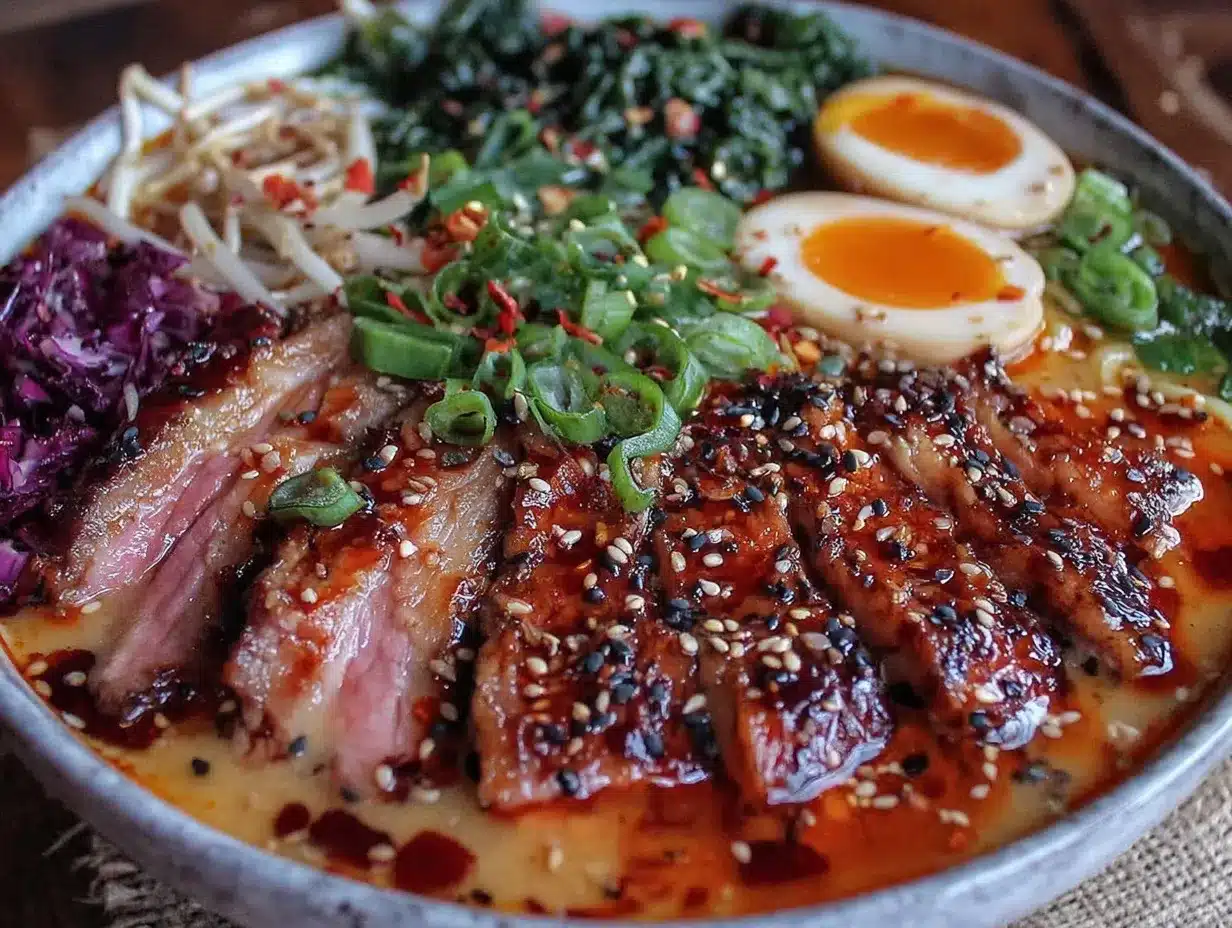
- Add toppings: green onions, corn, bamboo shoots, nori, cooked chicken or pork, spinach, sesame seeds, and a drizzle of chili oil if you like spice.
-
Serve and Enjoy:
- Serve immediately while steaming hot. Let everyone build their own bowl if you want to keep it fun.
- Grab chopsticks and a soup spoon, and don’t be shy about slurping!
Troubleshooting Tips: Broth too salty? Add a splash of water. Noodles sticking? Toss with a little sesame oil. Eggs overcooked? Try 6.5 minutes next time. And don’t panic—homemade ramen is about comfort, not perfection.
Cooking Tips & Techniques for Best Homemade Ramen
- Taste As You Go: Seasoning is everything. Taste your broth before serving and adjust with soy sauce, mirin, or a pinch of sugar. I learned this the hard way after one too many bland bowls.
- Don’t Overcook Noodles: Fresh ramen noodles cook fast—keep an eye on the timer. Overcooked noodles get mushy, and no one likes that. Drain them right away and rinse briefly to prevent sticking.
- Soft-Boiled Eggs: The sweet spot for jammy yolks is 7 minutes in boiling water. If you like a firmer egg, try 8 minutes. For marinated eggs, soak peeled eggs in a mix of soy sauce and mirin for an hour (or overnight if you remember!).
- Multitasking Strategies: While broth simmers, prep your toppings and tare. I usually set up a “toppings station” so everyone can customize their bowl. It keeps things moving and adds a little fun to dinner.
- Consistency Secrets: Use the same brands and ratios for broth and soy sauce if you want repeatable results. If you’re switching brands, taste and adjust. I once used a different soy sauce and almost knocked everyone’s socks off with saltiness!
- Don’t Crowd the Pot: Cook eggs and noodles separately. It keeps the broth clear and the noodles springy. Trust me, I tried to save time once and ended up with cloudy broth and gummy noodles—never again.
- Broth Clarity: Simmer gently—don’t boil aggressively. This keeps your broth clear and flavors balanced.
- Leftover Broth: Freeze it in portions for future ramen nights or use as a base for other soups.
Homemade ramen is forgiving—if something goes a little sideways, just roll with it. The more you make it, the better you’ll get. And hey, even “imperfect” ramen tastes pretty amazing on a cold night.
Variations & Adaptations
- Vegetarian Ramen: Swap chicken broth for vegetable broth, skip the dashi (or use a kombu-based one), and add tofu or extra mushrooms as your protein. Top with sautéed greens, edamame, and a sprinkle of sesame seeds.
- Spicy Miso Ramen: Stir 1 tablespoon of chili paste (like gochujang or sambal oelek) into the tare and top with chili oil and pickled ginger. Perfect for heat seekers who want to clear their sinuses.
- Gluten-Free Ramen: Use gluten-free tamari instead of soy sauce and swap in rice ramen or even thick rice noodles. Double-check your miso and dashi for hidden gluten if you’re super sensitive.
- Seasonal Adjustments: In summer, add fresh corn, snap peas, or grilled zucchini. In winter, stir in roasted sweet potatoes or carrots for extra comfort.
- Protein Swaps: Use leftover roast chicken, pulled pork, or even sautéed shrimp. My personal favorite? Pan-seared tofu cubes marinated in a little soy sauce and sesame oil.
- Allergy-Friendly Tweaks: For soy allergies, try coconut aminos and skip the miso. For egg-free bowls, add extra veggies or a handful of bean sprouts.
I once made a “fridge clean-out” ramen by tossing in leftover roasted broccoli and a bit of shredded rotisserie chicken—it was a hit! The beauty of ramen is that it’s endlessly customizable. Just use what you have and what you love.
Serving & Storage Suggestions
- Serving Temperature: Ramen is best served piping hot, straight from the stove. If you’re feeding a crowd, keep the broth simmering and let everyone build their own bowls for the freshest noodles and toppings.
- Presentation: Arrange toppings in neat piles or fans—egg halves, a sprinkle of green onions, a line of corn. It looks gorgeous and makes for Pinterest-worthy photos. Don’t forget a drizzle of chili oil for a pop of color!
- Complementary Dishes: Serve with a side of steamed dumplings, edamame, or a crisp cucumber salad. Green tea or cold barley tea pairs nicely.
- Storage: Store leftover broth, noodles, and toppings separately in airtight containers in the fridge. Broth keeps for up to 4 days; noodles are best within 2 days. Eggs will keep for 3 days if peeled and stored in water.
- Freezing: Broth freezes beautifully for up to 3 months—just thaw and reheat gently. Don’t freeze cooked noodles; they get mushy.
- Reheating: Warm broth in a saucepan until steaming. Reheat noodles in hot water for 30 seconds, then drain and serve with hot broth.
- Flavor Development: Broth flavor actually deepens after a day in the fridge. It’s even better as leftovers!
Honestly, ramen rarely lasts long enough in our house to need much storing, but a little planning ahead means you can have a cozy bowl ready in minutes on a busy night.
Nutritional Information & Benefits
This cozy homemade ramen recipe makes about 4 generous servings. Here’s an approximate breakdown (per serving):
- Calories: 430
- Protein: 18g
- Carbohydrates: 62g
- Fat: 12g
- Sodium: 1200mg
- Fiber: 4g
Key ingredients like chicken broth provide collagen and minerals, while eggs add high-quality protein and healthy fats. If you load up with veggies, you’ll boost vitamin C, potassium, and fiber. For gluten-free or low-carb eaters, swap in rice noodles or shirataki noodles and go easy on the soy sauce. Allergens to watch: wheat (noodles, soy sauce), soy (miso, tofu), and eggs.
From a wellness perspective, homemade ramen is a nourishing option—especially compared to instant varieties. You control the salt, fat, and add-ins, making it as wholesome or as indulgent as you like. It’s comfort food that doesn’t leave you feeling heavy, and the customizable toppings keep things interesting and balanced.
Conclusion
There’s a reason cozy homemade ramen from scratch is my go-to comfort food—it’s soothing, flexible, and just plain delicious. It’s the kind of meal that brings everyone to the table, even on busy nights or lazy weekends. You get to choose the flavors, the toppings, and the pace, making it uniquely yours every time.
Don’t be afraid to make this recipe your own—swap in seasonal veggies, try different proteins, or experiment with broths. The main thing is that you enjoy the process (and the slurping). Ramen might look fancy, but it’s honestly easier than you think.
I hope you’ll give this homemade ramen recipe a try and share your tweaks or family traditions in the comments below. If you make it, I’d love to hear how it turns out—every bowl has a story! Bookmark this for your next comfort food craving, and remember: a cozy bowl of ramen is always just a pot away.
Frequently Asked Questions
Can I make cozy homemade ramen ahead of time?
Yes! Prepare the broth and soft-boiled eggs up to two days ahead. Store the noodles and toppings separately. When ready to serve, reheat broth, cook noodles, and assemble bowls fresh.
What kind of noodles work best for homemade ramen?
Fresh ramen noodles are ideal for texture and chew, but dried ramen or even thin spaghetti works if that’s what you have. For gluten-free, use rice noodles or soba.
How can I make this ramen vegetarian or vegan?
Swap chicken broth for vegetable broth, skip the dashi or use kombu-based powder, and use tofu or extra veggies as protein. Miso and soy sauce are usually vegan-friendly, but check labels if you’re strict.
What’s the secret to perfect soft-boiled eggs for ramen?
Boil eggs for 7 minutes, then plunge into ice water to stop cooking. Peel gently, and marinate in soy sauce if you want extra flavor. For firmer yolks, go 8 minutes.
Can I freeze leftover ramen?
Freeze the broth only—not the noodles or eggs, as they don’t hold up well. Portion the broth in containers and thaw in the fridge overnight before reheating.
Pin This Recipe!
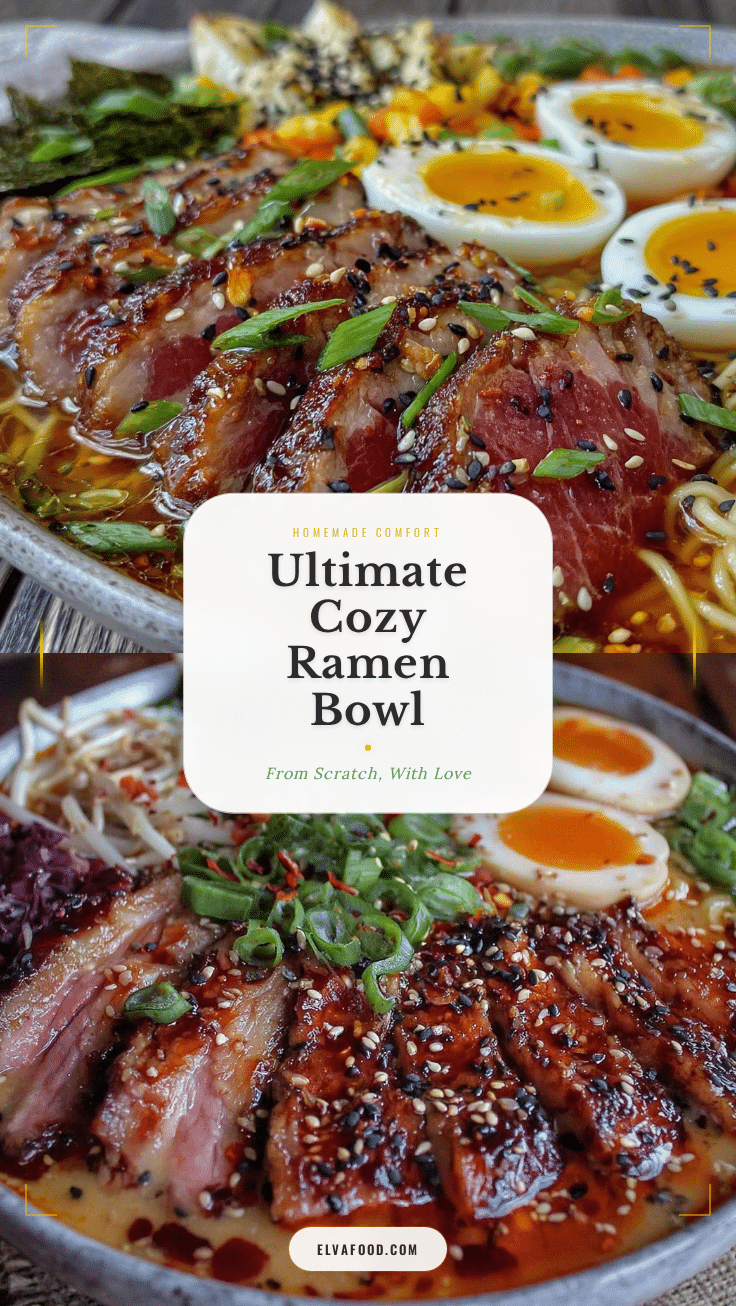
Homemade Ramen Recipe Easy Comfort Food for Beginners

This cozy homemade ramen recipe features a deeply flavorful broth, chewy noodles, and customizable toppings. It’s quick, easy, and perfect for beginners or anyone craving comfort food on a chilly night.
- Prep Time: 20 minutes
- Cook Time: 20 minutes
- Total Time: 40 minutes
- Yield: 4 servings 1x
- Category: Main Course
- Cuisine: Japanese
Ingredients
- 6 cups low-sodium chicken broth
- 2 cups water
- 1 tablespoon dashi powder (optional)
- 4 garlic cloves, smashed
- 2-inch piece fresh ginger, sliced
- 2 tablespoons low-sodium soy sauce
- 1 tablespoon mirin (or a splash of honey)
- 1 tablespoon toasted sesame oil
- 4 servings fresh ramen noodles (about 12 oz)
- 2 tablespoons soy sauce (for tare)
- 1 tablespoon miso paste (white or yellow)
- 1 teaspoon sugar
- 1 tablespoon rice vinegar
- 4 large eggs
- Green onions, thinly sliced (topping)
- Corn kernels, fresh or frozen, warmed (topping)
- Bamboo shoots, canned, drained (topping)
- Nori sheets, cut into strips (topping)
- Shredded cooked chicken or pork (topping)
- Toasted sesame seeds (topping)
- Chili oil or sriracha (topping)
- Fresh spinach or baby bok choy, quickly wilted (topping)
Instructions
- Prepare the Broth: In a large soup pot, add chicken broth, water, and dashi powder (if using). Add smashed garlic, sliced ginger, soy sauce, mirin, and toasted sesame oil. Bring to a gentle boil over medium-high heat, then reduce to a simmer and cook for 15 minutes.
- Make the Tare: While broth simmers, whisk together soy sauce, miso paste, sugar, and rice vinegar in a small bowl. Set aside.
- Prepare the Soft-Boiled Eggs: Bring a medium saucepan of water to a boil. Gently lower in eggs and boil for 7 minutes (or 8 for firmer yolks). Transfer eggs to an ice bath, cool, then peel.
- Cook the Ramen Noodles: Bring a fresh pot of water to a boil. Add ramen noodles and cook according to package instructions (2-4 minutes for fresh, 4-5 for dried). Drain and rinse briefly under hot water.
- Strain and Season the Broth: Use a fine mesh strainer or slotted spoon to remove garlic and ginger from the broth. Stir in the tare and taste, adjusting seasoning as needed.
- Assemble the Ramen Bowls: Divide noodles among 4 bowls. Ladle hot broth over noodles. Halve soft-boiled eggs and add to bowls. Top with green onions, corn, bamboo shoots, nori, cooked chicken or pork, spinach, sesame seeds, and chili oil as desired.
- Serve and Enjoy: Serve immediately while hot. Let everyone customize their bowl with toppings.
Notes
For gluten-free, use rice noodles and tamari. For vegetarian, use vegetable broth and skip meat toppings. Taste broth before serving and adjust seasoning. Cook noodles and eggs separately for best texture. Broth can be made ahead and freezes well. Customize toppings to your liking.
Nutrition
- Serving Size: 1 large bowl (about
- Calories: 430
- Sugar: 5
- Sodium: 1200
- Fat: 12
- Saturated Fat: 2.5
- Carbohydrates: 62
- Fiber: 4
- Protein: 18
Keywords: ramen, homemade ramen, easy ramen, comfort food, Japanese soup, noodle soup, beginner ramen, cozy dinner, weeknight meal