There was a stretch of autumns where I just accepted that apple bread was going to taste like, well, bread with apples in it. Not bad, but not memorable. You know that feeling when you take a bite of something and it’s fine, but you’re not thinking about it three hours later? That was every apple quick bread I’d ever made. I wanted the one that actually tasted like a fritter—crispy, caramelized edges, that deep nutty warmth, and a glaze that soaks in just enough to make the whole thing feel like a bakery splurge, not a weekday breakfast.
So I started playing around with brown butter, because honestly, if you want that toasty, almost-butterscotch flavor without standing over a stove for too long, it’s the easiest shortcut. And I wanted chunks of apple that stayed tender, not mushy, and a crumb that held together without being dense. It took a few loaves (some were disasters, let’s be real) before I landed on this version—the one where the brown butter does the heavy lifting and the apples get tossed in a little cinnamon sugar before they go in. That little step makes a difference.
This Brown Butter Apple Fritter Bread is the kind of thing you make on a Sunday afternoon when the air gets that crisp edge and you want the house to smell like something good. No mixer required, no complicated techniques. Just a bowl, a pan, and a quiet hour of baking. I make it every fall now, and it’s the one recipe I don’t second-guess anymore.
Why You’ll Love This Recipe
Let me tell you why this bread keeps showing up in my kitchen every September. First off, the brown butter situation is not optional—it’s the whole point. Browning butter takes about five minutes and turns the flavor into something that tastes like you spent way more effort than you actually did. It gives the bread a warm, nutty depth that pairs perfectly with tart apples.
- Simple Ingredients – You probably have most of this in your pantry right now. Flour, sugar, butter, eggs, apples. No weird specialty items.
- One Bowl, No Mixer – Seriously. You whisk the wet ingredients, fold in the dry, and you’re done. Less cleanup means more time to enjoy that first slice.
- Perfect for Fall Gatherings – This bread shows up at my Thanksgiving brunch, my neighbor’s apple-picking party, and as a hostess gift that actually gets eaten.
- That Fritter Texture – The top gets a little crunchy from the cinnamon-sugar layer, the inside stays tender, and the glaze adds that classic fritter sweetness without making it soggy.
- Crowd-Pleaser Status – I’ve brought this to work, to family dinners, and to a book club where someone asked for the recipe before she finished her first slice. It’s that kind of recipe.
What makes this different from other apple breads? It’s the combination of brown butter and the way the apples are prepped. Most recipes just fold in raw apple chunks, which can sink to the bottom or turn mushy. Here, you toss them in cinnamon sugar first, which creates a little barrier that keeps them suspended in the batter and gives them a slight caramelized edge as they bake. It’s not complicated, but it changes everything.
This isn’t just another quick bread. It’s the one that makes you close your eyes after the first bite. The kind that feels like a hug on a cool afternoon. And it’s easy enough that you don’t need a special occasion—just a craving for something cozy.
What Ingredients You Will Need
This recipe uses simple, wholesome ingredients that come together to create something that tastes bakery-level without the fuss. Most of these are pantry staples, so you might not even need a grocery run.
- Unsalted butter (1 cup / 2 sticks) – You’ll brown this yourself. It takes about 5 minutes and fills your kitchen with the most incredible nutty aroma. I use Kerrygold or Land O’Lakes for consistent results.
- All-purpose flour (2 cups / 240g) – Spoon and level it into your measuring cup for accuracy. Too much flour makes the bread dry.
- Granulated sugar (1 cup / 200g) – Adds sweetness and helps create that tender crumb. You can reduce it to 3/4 cup if you prefer less sweet.
- Light brown sugar (1/2 cup / 100g, packed) – This goes into the cinnamon-sugar coating for the apples and adds molasses depth. Dark brown sugar works too if that’s what you have.
- Large eggs (2, room temperature) – Room temperature eggs incorporate more easily into the batter. If you forgot to take them out, place them in a bowl of warm water for 5 minutes.
- Whole milk (1/2 cup / 120ml) – Whole milk gives the richest texture, but 2% works fine. For a dairy-free version, use oat milk or unsweetened almond milk.
- Vanilla extract (2 teaspoons) – Pure vanilla extract makes a difference here. Imitation works in a pinch, but the real stuff adds a floral note that complements the brown butter.
- Apples (2 medium, about 300g) – You want a firm, tart apple that holds its shape. Granny Smith is my go-to. Honeycrisp and Braeburn are also excellent. Avoid Red Delicious or Gala—they turn to mush.
- Ground cinnamon (2 teaspoons) – One teaspoon goes into the apple coating, one into the batter. Fresh cinnamon makes a noticeable difference.
- Baking powder (1 1/2 teaspoons) – Make sure it’s not expired. Fresh baking powder is key for a good rise.
- Salt (1/2 teaspoon) – Balances the sweetness and enhances the brown butter flavor. I use fine sea salt.
- For the glaze: Powdered sugar (1 cup / 120g), milk (2-3 tablespoons), vanilla (1/2 teaspoon) – This is the classic fritter glaze. Adjust the milk amount to reach your desired consistency—thicker for a drizzle, thinner for a soak.
Ingredient Selection Tips: When choosing apples for baking, give them a gentle squeeze. They should be firm, not soft. If you’re using organic apples, you can leave the peel on for extra texture and color. I usually peel mine, but it’s personal preference. For the butter, browning it yourself is non-negotiable—pre-browned butter products don’t have the same fresh, nutty flavor.
Equipment Needed
You don’t need a fancy kitchen to make this bread. Here’s what you’ll need:
- 9×5-inch loaf pan – Standard size works best. If you use an 8×4, the bread will take longer to bake and might dome too much.
- Medium saucepan – For browning the butter. A light-colored pan helps you see the color change.
- Large mixing bowl – For the wet ingredients and final batter.
- Medium bowl – For mixing the dry ingredients.
- Whisk – For combining ingredients without overmixing.
- Rubber spatula – For folding in the apples and scraping every last bit of batter.
- Parchment paper – Optional but helpful for easy removal. I line the pan with a sling of parchment paper that hangs over the long sides.
- Cooling rack – Essential for even cooling. If you don’t have one, use the inverted loaf pan to prop the bread up slightly.
Budget-friendly alternatives: No loaf pan? Use an 8×8 square pan and reduce baking time by 10-15 minutes. No saucepan? Brown the butter in a skillet—just watch it closely. No whisk? A fork works in a pinch for the dry ingredients.
Preparation Method
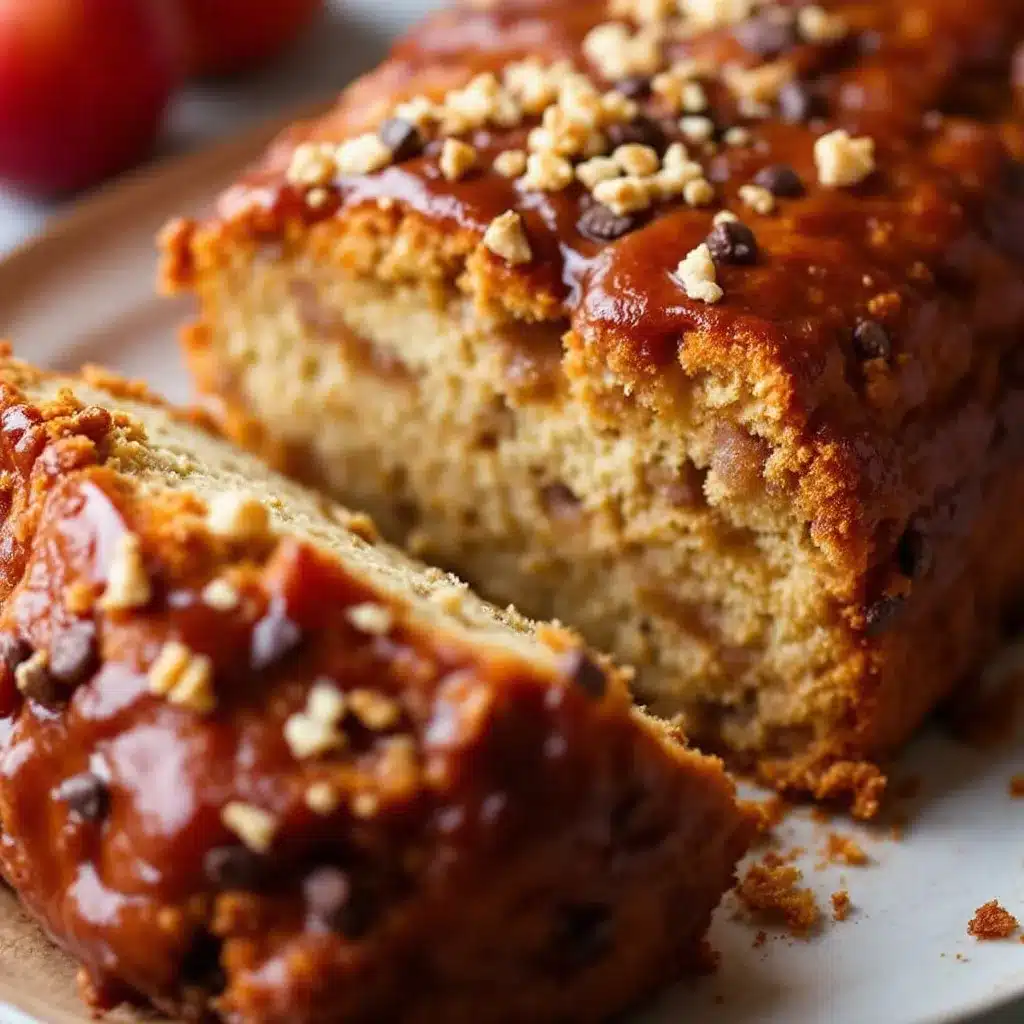
- Brown the butter – Place the butter in a medium saucepan over medium heat. Stir occasionally as it melts. It will foam up, then settle down, and you’ll see brown specks forming at the bottom. This takes about 5-7 minutes. The moment it smells nutty and the specks are a warm amber, remove it from the heat. Pour it into a heatproof bowl immediately to stop the cooking. Let it cool for 10 minutes—you want it warm, not hot, when you add it to the eggs.
- Preheat and prep the pan – Set your oven to 350°F (175°C). Grease your 9×5 loaf pan with butter or non-stick spray, then line it with parchment paper sling for easy removal.
- Prep the apples – Peel, core, and dice the apples into 1/2-inch cubes. In a small bowl, toss them with 1/4 cup of the brown sugar and 1 teaspoon of cinnamon. Set aside while you make the batter. This lets the sugar start drawing out some moisture, which concentrates the apple flavor.
- Mix the dry ingredients – In a medium bowl, whisk together the flour, baking powder, salt, and 1 teaspoon of cinnamon. Set aside.
- Mix the wet ingredients – In a large bowl, whisk together the cooled brown butter, granulated sugar, and remaining 1/4 cup of brown sugar until smooth. It should look like wet sand. Add the eggs one at a time, whisking well after each. Stir in the vanilla and milk. The mixture will be glossy and smooth.
- Combine wet and dry – Pour the dry ingredients into the wet mixture. Use a rubber spatula to fold gently, just until no streaks of flour remain. Do not overmix—a few lumps are okay. Overmixing develops gluten and makes the bread tough.
- Fold in the apples – Gently fold the cinnamon-sugar apple mixture into the batter. The batter will be thick, almost like a muffin batter. Be careful not to crush the apple pieces.
- Layer in the pan – Pour half the batter into the prepared pan and spread it evenly. Sprinkle about a tablespoon of the leftover cinnamon sugar from the apple bowl over the batter. Add the remaining batter, then sprinkle the top with another tablespoon of cinnamon sugar. This creates that signature fritter crust.
- Bake – Place the pan in the center of the oven and bake for 50-60 minutes. At the 30-minute mark, check the top. If it’s browning too quickly, tent loosely with foil. The bread is done when a toothpick inserted into the center comes out with a few moist crumbs, not wet batter. The internal temperature should be around 200°F (93°C).
- Cool – Let the bread cool in the pan for 15 minutes, then lift it out using the parchment sling and transfer to a wire rack. Let it cool completely before glazing—about 1 hour. If you glaze it while warm, the glaze will soak in completely instead of sitting on top.
- Make the glaze – In a small bowl, whisk together the powdered sugar, 2 tablespoons of milk, and vanilla. Add more milk, 1 teaspoon at a time, until it reaches a thick but pourable consistency. Drizzle over the cooled bread and let it set for 10 minutes before slicing.
Cooking Tips & Techniques
I’ve made this bread enough times to learn a few things the hard way. Here are the tips that make the difference between good and great.
Don’t walk away from the browning butter. It goes from perfect to burnt in about 30 seconds. Swirl the pan constantly once it starts foaming. Look for a golden-amber color and a nutty aroma. If you see black specks, you’ve gone too far—start over. Trust me, I’ve ruined a batch and tried to salvage it, and the burnt taste just doesn’t go away.
Room temperature eggs matter. Cold eggs can cause the brown butter to seize up slightly, creating a lumpy batter. If you’re in a hurry, place the eggs in a bowl of warm water for 5 minutes before cracking them.
Don’t overmix the batter. This is the most common mistake with quick breads. Mix until the flour just disappears, then stop. Overmixing develops gluten, which gives you a dense, rubbery texture instead of that tender, cake-like crumb.
Check your oven temperature. Ovens run hot or cold. I use an oven thermometer to make sure I’m at 350°F. If your bread is browning too fast on the outside but still raw in the center, your oven is too hot. Tent with foil and reduce the temperature by 25 degrees.
Let it cool completely. I know it’s tempting to slice into warm bread, but the texture needs time to set. Cutting too early will give you a gummy, crumbly mess. The glaze also needs a cool surface to adhere to. Patience pays off here.
Variations & Adaptations
This recipe is flexible, and I’ve tried several variations over the years. Here are some of my favorites:
- Gluten-Free Version – Substitute the all-purpose flour with a 1:1 gluten-free baking flour blend (I like King Arthur Measure for Measure). Add 1/2 teaspoon of xanthan gum if your blend doesn’t already include it. The texture will be slightly more tender, but still delicious.
- Vegan Adaptation – Use vegan butter (Miyoko’s is my favorite for browning) and replace the eggs with flax eggs (2 tablespoons ground flaxseed + 6 tablespoons water, let sit for 5 minutes). Use oat milk instead of whole milk. The texture will be a bit denser, but the flavor is still spot-on.
- Spiced Apple Variation – Add 1/2 teaspoon of ground nutmeg, 1/4 teaspoon of ground ginger, and a pinch of ground cloves to the dry ingredients. This gives the bread a chai-like warmth that’s perfect for holiday mornings.
- Pear and Walnut Twist – Replace one apple with a firm Bosc pear, diced. Fold in 1/2 cup of toasted walnuts with the apples. The pear adds a different sweetness, and the walnuts add crunch.
- Caramel Apple Version – After layering the batter, dollop 1/4 cup of caramel sauce (store-bought or homemade) on top and swirl it in with a knife before baking. Drizzle extra caramel over the finished glaze for maximum indulgence.
I once tried a version with a streusel topping instead of the cinnamon sugar layer. It was good, but honestly, the simplicity of the cinnamon sugar crust is what makes this taste like a fritter. The streusel made it feel more like a coffee cake, which is delicious in its own right, but not what I was going for here.
Serving & Storage Suggestions
This bread is best served slightly warm or at room temperature. If you want that fresh-from-the-bakery experience, pop a slice in the microwave for 10-15 seconds before eating. The glaze will soften slightly, and the brown butter flavor will bloom.
Presentation ideas: Slice the bread and arrange it on a wooden board with a few apple slices, a sprinkle of cinnamon, and a cup of hot coffee or mulled cider. For a brunch spread, serve it alongside a fresh spring vegetable frittata or a bowl of creamy yogurt with granola.
Storage: Keep the bread in an airtight container at room temperature for up to 3 days. The glaze will soften over time, but the flavor stays good. If you live in a humid climate, store it without the glaze and add it just before serving to prevent sogginess.
Freezing: This bread freezes beautifully. Wrap the unglazed loaf tightly in plastic wrap, then a layer of aluminum foil, and freeze for up to 3 months. Thaw overnight in the refrigerator, then bring to room temperature before glazing. You can also freeze individual slices for quick breakfasts—just wrap each slice separately.
Reheating: For a single slice, microwave for 15 seconds. For a whole loaf, warm it in a 300°F oven for 10 minutes. The flavors actually deepen after a day or two, so this bread is even better on day two.
Nutritional Information & Benefits
This bread is a treat, but it does offer some redeeming qualities. Here’s the estimated nutrition per slice (based on 10 slices):
- Calories: ~320
- Fat: 16g (10g saturated)
- Carbohydrates: 42g (24g sugar)
- Protein: 4g
- Fiber: 2g
Health highlights: Apples are a good source of dietary fiber and vitamin C. The cinnamon in this recipe has anti-inflammatory properties and may help regulate blood sugar. Brown butter, while indulgent, provides vitamin A and healthy fats that help with nutrient absorption.
Dietary considerations: This recipe contains gluten, dairy, and eggs. For gluten-free and vegan alternatives, see the Variations section above. If you’re watching your sugar intake, you can reduce the granulated sugar to 3/4 cup and skip the glaze—the bread will still be delicious.
I like to think of this as a “sometimes food,” as my grandma used to say. It’s not an everyday breakfast, but it’s perfect for those moments when you want something special without spending hours in the kitchen.
Conclusion
This Brown Butter Apple Fritter Bread is the kind of recipe that makes you look forward to fall. It’s simple enough for a weekday morning, but special enough for a holiday brunch or a cozy weekend treat. The brown butter adds a depth of flavor that feels like a secret, and the cinnamon-sugar apple chunks give it that fritter texture that’s been missing from every other apple bread I’ve tried.
I’d love to hear how this turns out for you. Did you try a variation? Did your family devour it before it cooled? Drop a comment below and let me know—I read every single one. And if you’re looking for more cozy fall recipes, check out our full collection of seasonal favorites for more inspiration.
Happy baking, friends. Here’s to warm kitchens, full bellies, and the simple joy of a good slice of bread.
Frequently Asked Questions
Can I use pre-browned butter from a store?
I don’t recommend it. Browning butter at home takes just a few minutes and gives you a fresher, more intense nutty flavor. Store-bought versions often have a slightly burnt taste and lack the aromatic quality of freshly browned butter.
Why did my apple bread sink in the middle?
This usually happens when the batter is overmixed or the oven temperature is too low. Overmixing develops gluten and creates air pockets that collapse during baking. Make sure your oven is at 350°F and mix just until the flour disappears.
Can I make this bread without a loaf pan?
Absolutely. You can bake the batter in an 8×8 square pan (reduce baking time to 30-35 minutes) or even as muffins (bake for 18-20 minutes). Just adjust the time and check for doneness with a toothpick.
How do I know when the bread is fully baked?
Insert a toothpick into the center of the bread. If it comes out with a few moist crumbs, it’s done. If it’s wet with batter, it needs more time. You can also use an instant-read thermometer—the internal temperature should be around 200°F (93°C).
Can I add nuts or dried fruit to this recipe?
Yes! Fold in 1/2 cup of toasted pecans or walnuts with the apples for extra crunch. Dried cranberries or chopped dried apricots also work well. Just reduce the apples slightly if you’re adding a lot of mix-ins to keep the batter balanced.
Pin This Recipe!
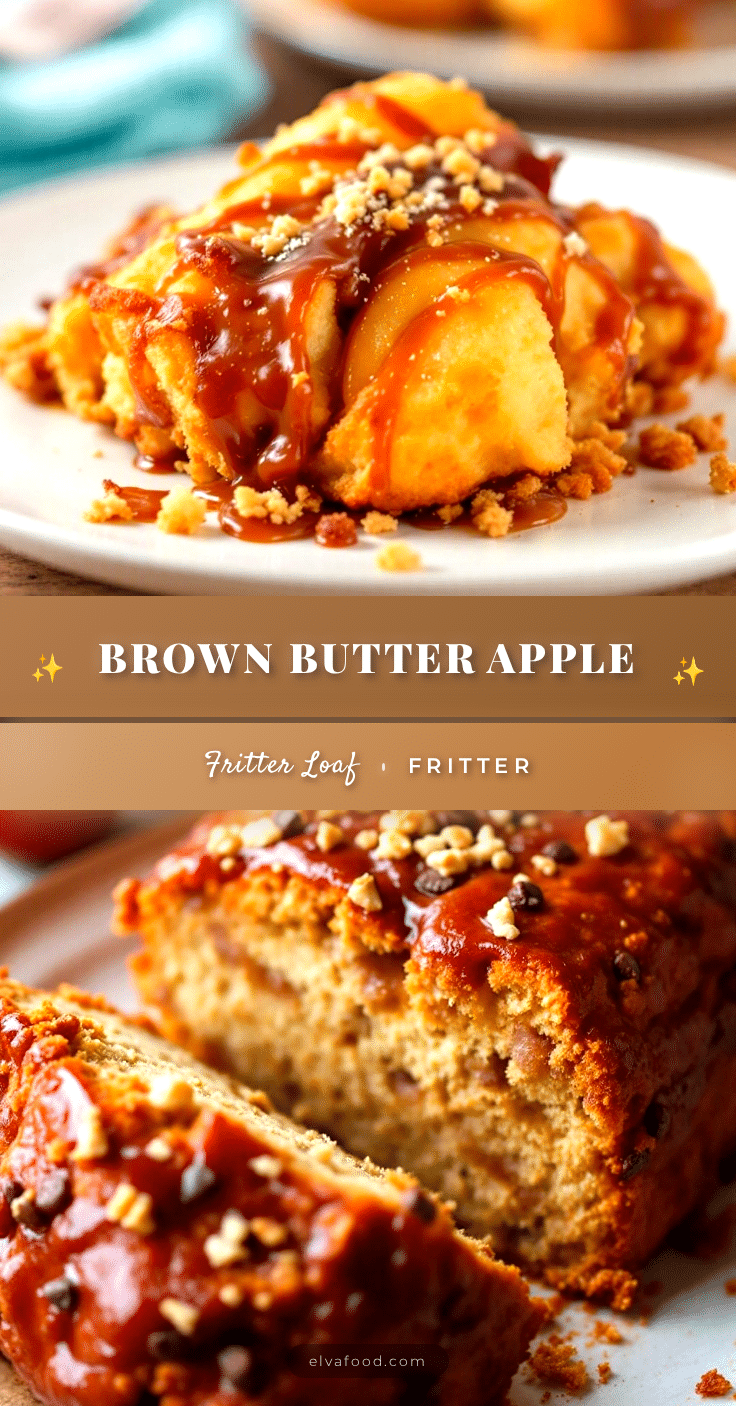
Best Brown Butter Apple Fritter Bread Recipe (Easy Fall Dessert)
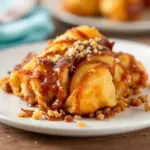
This Brown Butter Apple Fritter Bread is the kind of recipe that makes you look forward to fall. It’s simple enough for a weekday morning, but special enough for a holiday brunch or a cozy weekend treat. The brown butter adds a depth of flavor that feels like a secret, and the cinnamon-sugar apple chunks give it that fritter texture that’s been missing from every other apple bread I’ve tried.
- Prep Time: 20 minutes
- Cook Time: 55 minutes
- Total Time: 1 hour 15 minutes
- Yield: 10 servings 1x
- Category: Dessert
- Cuisine: American
Ingredients
- 1 cup (2 sticks) unsalted butter
- 2 cups (240g) all-purpose flour
- 1 cup (200g) granulated sugar
- 1/2 cup (100g, packed) light brown sugar
- 2 large eggs, room temperature
- 1/2 cup (120ml) whole milk
- 2 teaspoons vanilla extract
- 2 medium apples (about 300g), peeled, cored, and diced into 1/2-inch cubes
- 2 teaspoons ground cinnamon
- 1 1/2 teaspoons baking powder
- 1/2 teaspoon salt
- For the glaze: 1 cup (120g) powdered sugar, 2-3 tablespoons milk, 1/2 teaspoon vanilla extract
Instructions
- Brown the butter: Place the butter in a medium saucepan over medium heat. Stir occasionally as it melts. It will foam up, then settle down, and you’ll see brown specks forming at the bottom. This takes about 5-7 minutes. The moment it smells nutty and the specks are a warm amber, remove it from the heat. Pour it into a heatproof bowl immediately to stop the cooking. Let it cool for 10 minutes—you want it warm, not hot, when you add it to the eggs.
- Preheat and prep the pan: Set your oven to 350°F (175°C). Grease your 9×5 loaf pan with butter or non-stick spray, then line it with parchment paper sling for easy removal.
- Prep the apples: Peel, core, and dice the apples into 1/2-inch cubes. In a small bowl, toss them with 1/4 cup of the brown sugar and 1 teaspoon of cinnamon. Set aside while you make the batter.
- Mix the dry ingredients: In a medium bowl, whisk together the flour, baking powder, salt, and 1 teaspoon of cinnamon. Set aside.
- Mix the wet ingredients: In a large bowl, whisk together the cooled brown butter, granulated sugar, and remaining 1/4 cup of brown sugar until smooth. Add the eggs one at a time, whisking well after each. Stir in the vanilla and milk.
- Combine wet and dry: Pour the dry ingredients into the wet mixture. Use a rubber spatula to fold gently, just until no streaks of flour remain. Do not overmix.
- Fold in the apples: Gently fold the cinnamon-sugar apple mixture into the batter.
- Layer in the pan: Pour half the batter into the prepared pan and spread it evenly. Sprinkle about a tablespoon of the leftover cinnamon sugar from the apple bowl over the batter. Add the remaining batter, then sprinkle the top with another tablespoon of cinnamon sugar.
- Bake: Place the pan in the center of the oven and bake for 50-60 minutes. At the 30-minute mark, check the top. If it’s browning too quickly, tent loosely with foil. The bread is done when a toothpick inserted into the center comes out with a few moist crumbs, not wet batter. The internal temperature should be around 200°F (93°C).
- Cool: Let the bread cool in the pan for 15 minutes, then lift it out using the parchment sling and transfer to a wire rack. Let it cool completely before glazing—about 1 hour.
- Make the glaze: In a small bowl, whisk together the powdered sugar, 2 tablespoons of milk, and vanilla. Add more milk, 1 teaspoon at a time, until it reaches a thick but pourable consistency. Drizzle over the cooled bread and let it set for 10 minutes before slicing.
Notes
Don’t walk away from the browning butter. It goes from perfect to burnt in about 30 seconds. Room temperature eggs matter. Don’t overmix the batter. Check your oven temperature. Let it cool completely before glazing.
Nutrition
- Serving Size: 1 slice
- Calories: 320
- Sugar: 24
- Sodium: 200
- Fat: 16
- Saturated Fat: 10
- Carbohydrates: 42
- Fiber: 2
- Protein: 4
Keywords: brown butter apple fritter bread, apple fritter bread, easy fall dessert, apple bread, brown butter bread, quick bread, fall baking