“You’re telling me just cheese, pepper, and pasta?” That was my friend Marco’s skeptical text as I whipped up dinner on a random Thursday evening. Honestly, I wasn’t sure either when I first attempted this creamy classic cacio e pepe recipe with hand-cut tonnarelli pasta. I had stumbled into making it almost by accident — the fridge was nearly empty except for some Pecorino Romano, a bag of black pepper, and a handful of fresh eggs. The pasta was something I had cut by hand earlier that day, mostly out of boredom and curiosity. It was late, my kitchen was quiet, and the hum of the stove was the only soundtrack.
At first, I thought this simple Roman dish was going to be one of those “meh” meals — you know, the ones that look better in photos than on the plate. But the creamy sauce, made without cream (just the magic of pasta water, cheese, and pepper), clung to the slightly twisted strands of tonnarelli perfectly. The pepper had this sharp bite that cut through the richness, while the homemade pasta added a rustic, chewy texture that store-bought noodles just can’t match. The whole experience felt intimate, like a secret shared between me and the stove in the stillness of the night.
Since then, I’ve made this recipe more times than I can count, often pulling it together in under 30 minutes when I need something comforting but fuss-free. It’s become my go-to when friends drop by unexpectedly or when I want to impress without sweating it. And yes, Marco was officially converted after tasting it (he confessed as much over dinner last weekend). You might find yourself feeling that same quiet joy — the kind that comes from mastering a dish that’s deceptively simple but deeply satisfying.
There’s something about the creamy classic cacio e pepe with hand-cut tonnarelli pasta that just sticks with you. Maybe it’s the way the cheese melts silky smooth or how freshly cracked black pepper wakes up your taste buds. Whatever it is, this recipe holds a special place in my kitchen and, I hope, soon in yours too.
Why You’ll Love This Creamy Classic Cacio e Pepe Recipe
After countless attempts and tweaks, this cacio e pepe recipe has earned its spot as a kitchen staple. I’ve tested it thoroughly — from rushed weeknight dinners to slow, thoughtful meals — and here’s why it stands out:
- Quick & Easy: Ready in about 25 minutes, it’s perfect for busy nights or spontaneous meals.
- Simple Ingredients: Uses pantry basics — Pecorino Romano, black pepper, eggs, and flour — no fancy or hard-to-find items.
- Perfect for Cozy Dinners: The creamy texture and peppery kick make it ideal for intimate meals or when you crave comfort food.
- Crowd-Pleaser: Friends and family often ask for seconds — it’s that good.
- Unbelievably Delicious: The hand-cut tonnarelli pasta holds the sauce just right, creating a luscious, silky coating you’ll want to savor.
What sets this recipe apart is the method — making tonnarelli by hand gives the pasta a rustic feel and the perfect bite, while the sauce’s creaminess comes purely from technique, not heavy cream. This isn’t just another cacio e pepe; it’s a version that feels both authentic and a little elevated without fuss.
Plus, it’s the kind of dish that invites you to pause, close your eyes, and enjoy every bite — a simple pleasure in a fast-paced world.
What Ingredients You Will Need for Creamy Classic Cacio e Pepe with Hand-Cut Tonnarelli Pasta
This recipe keeps things straightforward, using a handful of quality ingredients that work together to create something truly special. The focus is on letting each element shine through while contributing to the creamy, peppery harmony.
- For the Pasta Dough:
- 1 ½ cups (180g) all-purpose flour, plus extra for dusting
- 2 large eggs, room temperature (fresh eggs make a difference in texture)
- A pinch of salt
- For the Sauce:
- 1 cup (100g) Pecorino Romano cheese, finely grated (I recommend Galbani for its sharpness)
- 2 teaspoons freshly cracked black pepper (the coarser, the better for aroma)
- Salt, to taste
- Reserved pasta cooking water (about 1 cup or 240ml)
Note: If you can’t find Pecorino Romano, a sharp Parmesan can be a good substitute, though it won’t have the same boldness. For a gluten-free twist, swap all-purpose flour with a 1:1 gluten-free blend, but expect a slightly different texture.
When selecting your flour, I like to use a brand that’s unbleached for a more natural flavor. Also, fresh black pepper makes a huge difference here — pre-ground just won’t deliver the same punch.
Equipment Needed
- A large mixing bowl for the pasta dough
- Rolling pin or pasta machine (rolling pin works just fine if you don’t have a machine)
- Sharp knife or pizza cutter for hand-cutting the tonnarelli
- Large pot for boiling pasta
- Slotted spoon or pasta strainer
- Large skillet or pan for tossing pasta with sauce
- Microplane or fine grater for the Pecorino Romano cheese
If you don’t own a pasta machine, trust me — rolling out with a rolling pin and cutting by hand adds to the charm and rustic feel. Just dust your surface well with flour to prevent sticking. For budget-friendly options, a sturdy pizza cutter really makes shaping the noodles easier.
Preparation Method
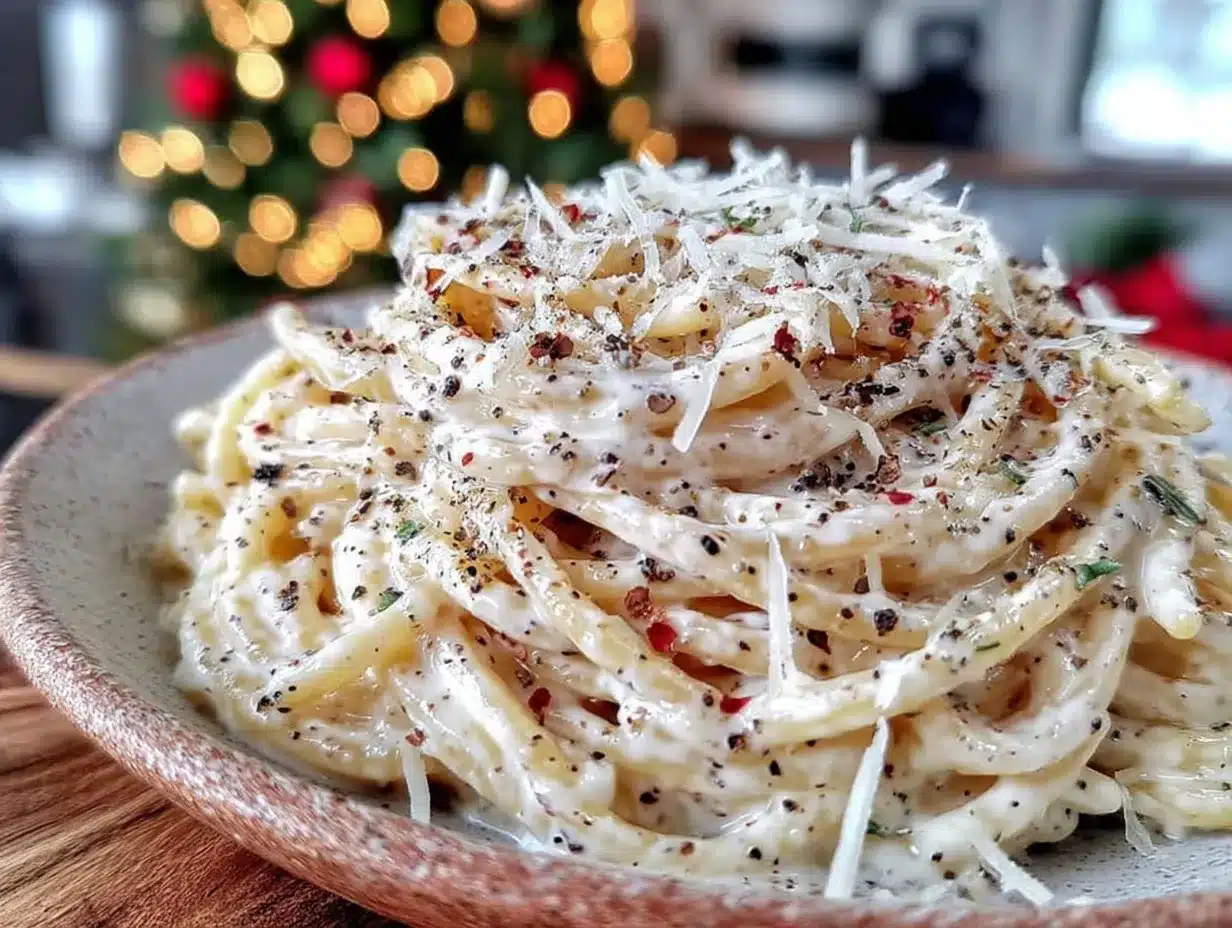
- Make the pasta dough: In a large bowl, mound the flour and create a well in the center. Crack the eggs into the well and add a pinch of salt. Using a fork, gently whisk the eggs, gradually incorporating flour from the edges until a shaggy dough forms.
- Knead the dough: Transfer the dough to a floured surface. Knead for about 8-10 minutes until smooth and elastic. If the dough feels sticky, sprinkle a little flour, but be careful not to add too much — you want it supple. Wrap the dough in plastic wrap and let it rest for 30 minutes at room temperature.
- Roll and cut the tonnarelli: Divide the dough into two portions. Roll out one portion into a thin rectangle (about 1/8 inch or 3mm thick). Using a sharp knife or pizza cutter, slice the dough into strips approximately 1/8 inch (3mm) wide. Repeat with the second portion. Toss the strips lightly in flour to prevent sticking.
- Cook the pasta: Bring a large pot of salted water to a rolling boil. Add the tonnarelli and cook for 2-3 minutes or until al dente (fresh pasta cooks fast!). Reserve 1 cup (240ml) of pasta water before draining.
- Toast the pepper: While pasta cooks, heat a large skillet over medium heat. Add freshly cracked black pepper and toast for about 1 minute until fragrant. Be careful not to burn it.
- Make the sauce: Add about ½ cup (120ml) of the reserved pasta water to the skillet with the pepper. Lower the heat to medium-low.
- Combine pasta and sauce: Add the drained pasta to the skillet. Gradually sprinkle in the grated Pecorino Romano while tossing vigorously with tongs or a fork to create a creamy, emulsified sauce. Add more pasta water a little at a time if needed to loosen the sauce.
- Taste and adjust: Season with a pinch of salt if needed. The sauce should be silky and coat every strand of tonnarelli. Serve immediately.
Pro tip: The key is to toss quickly and patiently; the cheese melts into the pasta water’s starch, creating that signature creamy texture without clumps. If you get clumps, add a splash more warm water and keep stirring.
Cooking Tips & Techniques
Making creamy classic cacio e pepe is all about timing and technique — here’s what I’ve learned through trial and error:
- Use freshly cracked black pepper: It brings a lively aroma and taste that pre-ground pepper can’t match.
- Don’t rush the tossing: The magic happens when cheese and pasta water emulsify. Stirring vigorously while adding cheese slowly helps avoid clumps.
- Reserve enough pasta water: The starch in the water binds the sauce together. Too little water means dry pasta; too much makes it soupy.
- Cook fresh pasta briefly: Fresh tonnarelli cooks quickly (2-3 minutes). Overcooking makes it mushy and loses bite.
- Practice hand-cutting pasta: It’s okay if strips aren’t perfect; small variations add character and texture to the dish.
- Don’t use pre-grated cheese: It doesn’t melt well and results in a grainy sauce.
Once, I added the cheese all at once and ended up with clumps — lesson learned! Slow, steady addition and vigorous stirring are your best friends here. Also, multitasking helps: while pasta boils, toast pepper and prep cheese to keep the process smooth.
Variations & Adaptations
This recipe is wonderfully versatile and can be adapted to suit different tastes or dietary needs.
- Vegan Version: Swap Pecorino Romano with a plant-based hard cheese or nutritional yeast blend. Use olive oil instead of egg in the dough and try chickpea flour for a different texture.
- Gluten-Free: Replace flour with a gluten-free blend (like Bob’s Red Mill 1:1). The dough will be more delicate, so handle carefully and cook gently.
- Spicy Kick: Add a pinch of red pepper flakes when toasting the black pepper for a subtle heat.
- Seasonal Twist: In spring, toss in fresh peas or asparagus tips during the last minute of pasta boiling for added color and freshness.
- Cheese Swap: Try a blend of Pecorino and aged Parmesan for a milder, nuttier flavor.
I once tried adding a touch of browned butter to the sauce for a nuttier depth — it was an unexpected hit! Feel free to experiment as you find your perfect balance.
Serving & Storage Suggestions
This creamy classic cacio e pepe shines best when served hot and fresh. The sauce thickens as it cools, so enjoy it straight from the pan.
- Serving: Plate with a sprinkle of extra Pecorino and a few twists of fresh black pepper on top. A crisp green salad or roasted vegetables make nice accompaniments.
- Pairing: A light white wine, such as Pinot Grigio or Vermentino, complements the peppery tang beautifully.
- Storage: Leftovers keep in an airtight container in the fridge for up to 2 days. The sauce will thicken, so loosen with a splash of warm water or broth when reheating.
- Reheating: Gently warm in a skillet over low heat, stirring constantly to revive the creamy texture.
Flavors meld subtly after resting, but this dish really rewards immediate enjoyment. If you want to impress at your next dinner, consider pairing it with a hearty option like the Irish lamb stew with Guinness for a cozy, well-rounded meal.
Nutritional Information & Benefits
Here’s a rough estimate per serving (based on 4 servings):
| Calories | 450 kcal |
|---|---|
| Protein | 18g |
| Fat | 16g |
| Carbohydrates | 55g |
| Fiber | 2g |
Pecorino Romano is rich in calcium and protein, supporting bone health and muscle repair. Black pepper contains piperine, which may help digestion and absorption of nutrients.
This dish is vegetarian-friendly but contains gluten and dairy. For gluten-free or vegan adaptations, check the variations above.
From a wellness perspective, this recipe balances indulgence and simplicity — minimal ingredients, no added preservatives, and real food you can trust.
Conclusion
This creamy classic cacio e pepe recipe with hand-cut tonnarelli pasta is more than just a meal; it’s a satisfying ritual. It’s straightforward to make, yet feels special enough to share with friends or enjoy quietly on your own. The rustic hand-cut pasta paired with a silky, peppery sauce offers a comforting embrace on any day that calls for it.
Feel free to tweak the pepper intensity or cheese blend to fit your taste. I love that this recipe invites a bit of creativity while sticking to its roots — a balance that keeps me coming back.
If you try making your own tonnarelli at home, you’ll understand why it’s worth every minute of effort. And if you’re curious about other Italian classics with that homey touch, you might enjoy the Italian wedding soup with tender meatballs and spinach or even the creamy cacio e pepe pasta recipe with Pecorino Romano we did before — both bring their own charm to the table.
Happy cooking, and may your kitchen be filled with the inviting aroma of cheese and pepper soon!
FAQs About Creamy Classic Cacio e Pepe with Hand-Cut Tonnarelli Pasta
What makes tonnarelli different from other pasta shapes?
Tonnarelli is a thick, square-shaped pasta that’s usually hand-cut. Its texture is chewier and holds sauce better than thinner pastas like spaghetti, making it perfect for creamy cacio e pepe.
Can I use store-bought pasta instead of making tonnarelli?
Absolutely! Fresh or dried spaghetti or linguine can work, but the handmade tonnarelli adds a unique texture and rustic appeal that really enhances the dish.
How do I prevent the cheese from clumping in the sauce?
Slowly add the finely grated Pecorino while vigorously tossing the pasta with reserved hot pasta water. The starch in the water helps melt the cheese smoothly, creating a creamy sauce.
Is it necessary to use Pecorino Romano cheese?
Pecorino Romano offers a sharp, salty flavor that’s traditional to cacio e pepe. Parmesan can be used if needed, but it will result in a milder taste.
Can I prepare parts of this recipe ahead of time?
You can make the pasta dough ahead and refrigerate it for up to 24 hours. The sauce is best made fresh, but you can pre-toast the pepper and grate the cheese in advance to save time.
Pin This Recipe!
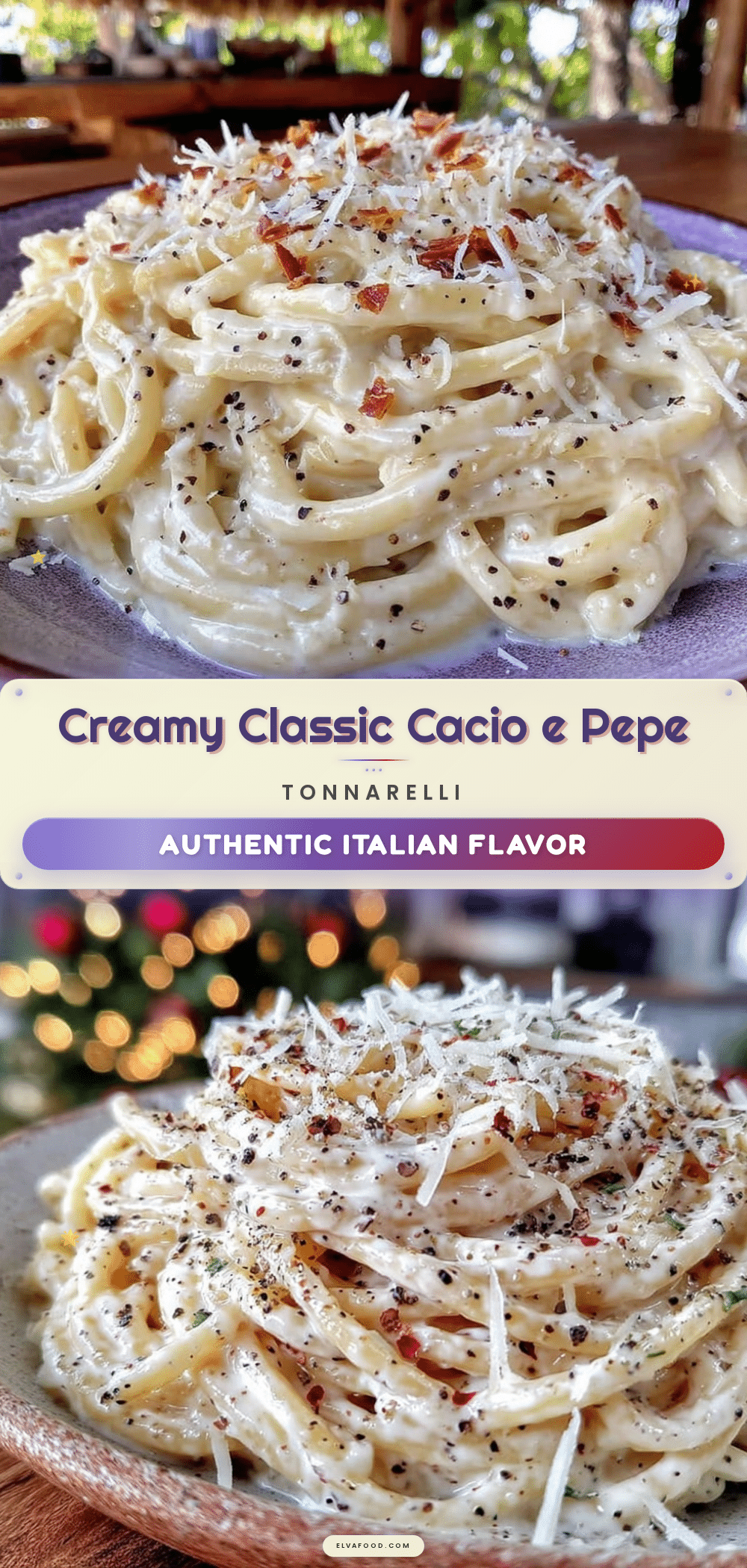
Creamy Classic Cacio e Pepe Recipe with Hand-Cut Tonnarelli Pasta

A simple yet deeply satisfying Roman pasta dish featuring hand-cut tonnarelli with a creamy sauce made from Pecorino Romano, black pepper, and pasta water—no cream needed.
- Prep Time: 40 minutes
- Cook Time: 5 minutes
- Total Time: 45 minutes
- Yield: 4 servings 1x
- Category: Main Course
- Cuisine: Italian
Ingredients
- 1 ½ cups (180g) all-purpose flour, plus extra for dusting
- 2 large eggs, room temperature
- A pinch of salt
- 1 cup (100g) Pecorino Romano cheese, finely grated
- 2 teaspoons freshly cracked black pepper
- Salt, to taste
- Reserved pasta cooking water (about 1 cup or 240ml)
Instructions
- Make the pasta dough: In a large bowl, mound the flour and create a well in the center. Crack the eggs into the well and add a pinch of salt. Using a fork, gently whisk the eggs, gradually incorporating flour from the edges until a shaggy dough forms.
- Knead the dough: Transfer the dough to a floured surface. Knead for about 8-10 minutes until smooth and elastic. If the dough feels sticky, sprinkle a little flour, but be careful not to add too much. Wrap the dough in plastic wrap and let it rest for 30 minutes at room temperature.
- Roll and cut the tonnarelli: Divide the dough into two portions. Roll out one portion into a thin rectangle about 1/8 inch (3mm) thick. Using a sharp knife or pizza cutter, slice the dough into strips approximately 1/8 inch (3mm) wide. Repeat with the second portion. Toss the strips lightly in flour to prevent sticking.
- Cook the pasta: Bring a large pot of salted water to a rolling boil. Add the tonnarelli and cook for 2-3 minutes or until al dente. Reserve 1 cup (240ml) of pasta water before draining.
- Toast the pepper: While pasta cooks, heat a large skillet over medium heat. Add freshly cracked black pepper and toast for about 1 minute until fragrant. Be careful not to burn it.
- Make the sauce: Add about ½ cup (120ml) of the reserved pasta water to the skillet with the pepper. Lower the heat to medium-low.
- Combine pasta and sauce: Add the drained pasta to the skillet. Gradually sprinkle in the grated Pecorino Romano while tossing vigorously with tongs or a fork to create a creamy, emulsified sauce. Add more pasta water a little at a time if needed to loosen the sauce.
- Taste and adjust: Season with a pinch of salt if needed. The sauce should be silky and coat every strand of tonnarelli. Serve immediately.
Notes
Use freshly cracked black pepper for best aroma and flavor. Toss cheese slowly and vigorously to avoid clumps. Reserve enough pasta water to create a creamy sauce. Fresh pasta cooks quickly; do not overcook. If clumps form, add a splash of warm pasta water and stir.
Nutrition
- Serving Size: 1 serving (about 1/4
- Calories: 450
- Fat: 16
- Carbohydrates: 55
- Fiber: 2
- Protein: 18
Keywords: cacio e pepe, tonnarelli pasta, creamy pasta, Pecorino Romano, hand-cut pasta, Italian recipe, easy pasta recipe, black pepper pasta