Sunday morning, three a.m., and the only thing I wanted was heat. Not the kind you get from a blanket or a second cup of coffee. The kind that sits on your tongue and reminds you you’re alive. I had a basket of habaneros on the counter—orange, waxy, a little threatening—and a kitchen that smelled like nothing at all. That felt wrong. So I pulled out the cutting board and started chopping, seeds scattering like tiny landmines across the wood. I didn’t have a plan. I had a craving and a half-empty jar of vinegar in the pantry. Some of the best recipes come from that place, honestly—the place where you stop thinking and start trusting your hands.
This Fiery Habanero Hot Sauce for Canning was born in that quiet, reckless hour. I wanted something that would last, something I could tuck away on a shelf and pull out months later when the world felt a little dull. The kind of sauce that doesn’t just sit on eggs or tacos—it wakes them up. It took a few batches to get right. The first one was too thin. The second one? Let’s just say I underestimated the habanero. But the third batch hit that sweet spot between fire and flavor, and I knew I had to write it down before I forgot the balance.
This isn’t a fussy recipe. It’s honest, straightforward, and built for canning so you can stock your pantry with something that actually has personality. If you’ve ever wanted a hot sauce that tastes like you made it with intention—not just heat for the sake of heat—this one’s for you. I still make it on quiet mornings, and it never tastes the same twice. That’s the thing about cooking without a script. You keep what works, and you let the rest fall away.
Why You’ll Love This Recipe
This isn’t just another hot sauce recipe you’ll forget about by next week. I’ve tested this one more times than I care to count, and each batch taught me something new about balancing heat with flavor. Here’s why I keep coming back to it—and why I think you will too.
- Quick & Easy: From chopping to jarring, you’re looking at about an hour of active time. The water bath does the rest.
- Simple Ingredients: No weird additives or hard-to-find spices. You probably have most of this in your kitchen right now.
- Perfect for Gifting: A jar of homemade hot sauce says “I put thought into this” without requiring a whole afternoon in the kitchen.
- Crowd-Pleaser: People who say they don’t like spicy food? This sauce changes their minds. It’s hot, yes, but it’s also fruity and bright.
- Pantry-Stable: Canned properly, this sauce sits happily on your shelf for up to a year. No refrigeration needed until you open it.
What makes this recipe different from the dozens of others out there? It’s the roasting step. Most hot sauce recipes just boil everything together and call it a day. I char the habaneros and garlic first, which brings out a smoky sweetness that tames the raw edge of the peppers without dulling their fire. It’s a small thing, but it makes the difference between a sauce that’s just hot and one that’s actually good. I learned this trick after a particularly sad batch that tasted like spicy water. Never again.
This is the kind of recipe that makes you feel like you actually know what you’re doing, even if you’re new to canning. It’s forgiving. It’s rewarding. And honestly, there’s something deeply satisfying about opening a jar of your own hot sauce in the middle of winter and tasting summer.
What Ingredients You Will Need
This recipe uses simple, wholesome ingredients that come together to create a sauce with serious depth. No fillers, no preservatives—just real food that happens to be shelf-stable when canned properly. Most of these are pantry staples or easy to find at any grocery store.
- Habanero peppers, 12-15 medium (about 8 ounces or 225 grams) – Look for firm, bright orange or red peppers. Avoid any with soft spots or wrinkles. The color affects the final sauce color slightly, but both work fine.
- Garlic cloves, 6 large – Fresh garlic is non-negotiable here. The jarred stuff won’t give you the same punch. I like to roast mine alongside the peppers for a milder, sweeter flavor.
- White vinegar, 1 cup (240 ml) – Use a vinegar with at least 5% acidity for safe canning. White vinegar keeps the color bright and the flavor clean. Apple cider vinegar works too, but it’ll darken the sauce and add a fruity note.
- Lime juice, ¼ cup (60 ml), freshly squeezed – Bottled lime juice has a flat taste. Fresh makes a real difference here. It adds acidity for canning safety and brightness that cuts through the heat.
- Water, ½ cup (120 ml) – Helps thin the sauce to the right consistency. You can adjust this depending on how thick you like your hot sauce.
- Salt, 1 teaspoon (5 grams) – Use kosher or sea salt. Table salt with anti-caking agents can sometimes add a metallic taste. I prefer Diamond Crystal or Morton’s kosher.
- Carrot, 1 medium, roughly chopped – This is my secret ingredient. It adds natural sweetness and body without sugar. It also helps balance the heat so the sauce isn’t just a one-note burn.
- Onion, ½ medium yellow or white, roughly chopped – Adds depth and a subtle savory note. White onion gives a sharper flavor; yellow is milder and slightly sweet.
Substitution Notes: If you want a milder sauce, remove the seeds and membranes from the habaneros before cooking. You can also swap half the habaneros for bell peppers to tone down the heat while keeping the fruity flavor. For a smokier profile, use chipotle peppers in adobo instead of some of the habaneros—just note that this changes the flavor significantly and may affect canning safety if you alter the acidity balance.
Equipment Needed
You don’t need a professional kitchen to make this sauce, but a few key tools will make your life easier. Here’s what I use and what I’ve learned works best.
- Canning jars with lids, 4 half-pint (8 oz) jars – I prefer Ball or Kerr jars. Make sure the rims are free of nicks and the lids are new for each use. Reusing lids is risky for sealing.
- Large stockpot for water bath canning – You need a pot deep enough to cover the jars by at least 1 inch of water. A dedicated canning pot with a rack is ideal, but any large pot with a towel on the bottom works.
- Blender or immersion blender – A high-speed blender like a Vitamix gives you the smoothest sauce. An immersion blender works too, but you’ll need to blend longer to get rid of the fibrous bits from the carrots.
- Kitchen tongs – Essential for handling hot jars. Silicone-tipped tongs are great because they won’t scratch your jars.
- Canning funnel and jar lifter – Not strictly necessary, but they save you from spills and burned fingers. I resisted buying these for years. Don’t be like me.
- Baking sheet and tongs for roasting – A rimmed baking sheet lined with parchment makes cleanup easy. You’ll use this to char the peppers and garlic.
- Fine-mesh strainer – Optional, but useful if you want an extra-smooth sauce. I usually skip it because I like a little texture.
Preparation Method
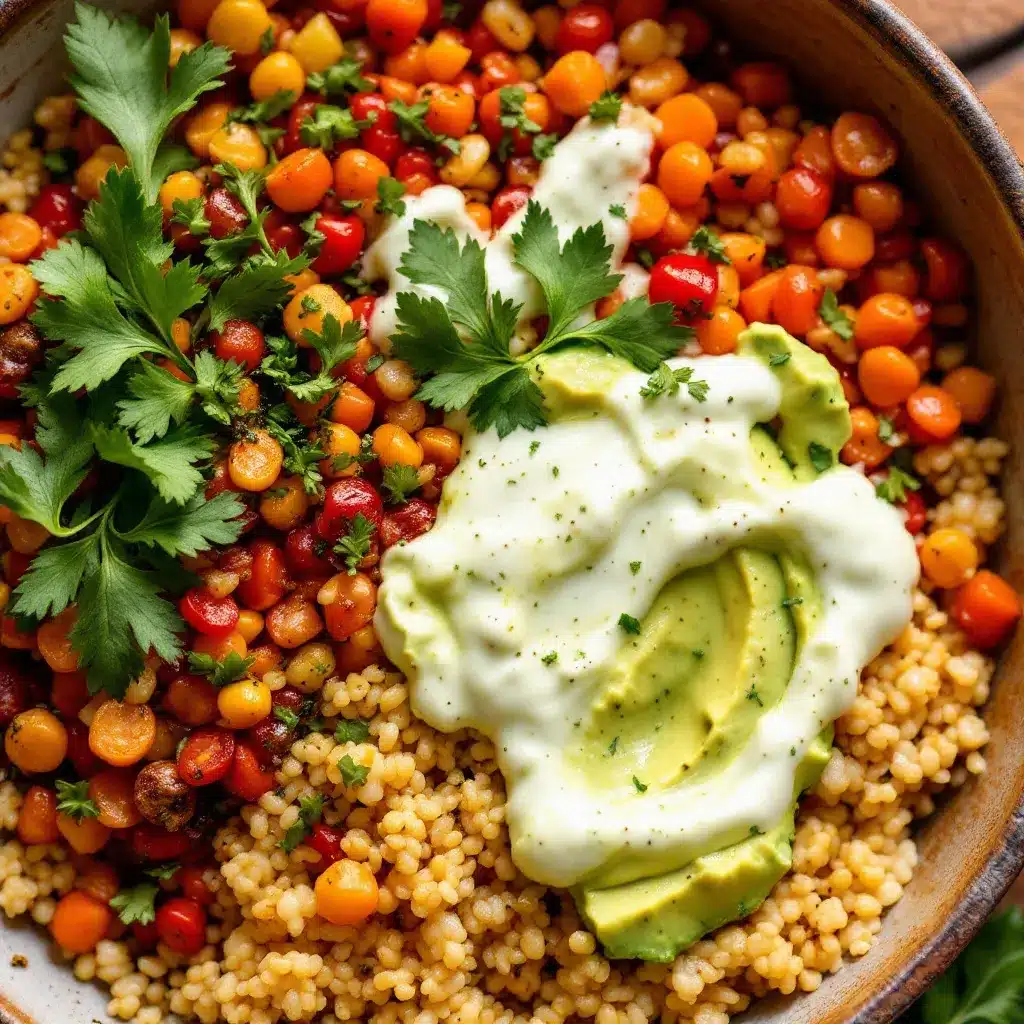
This method breaks down into three main stages: roasting the aromatics, cooking the base, and canning the finished sauce. Take your time with each step—the sauce rewards patience.
Stage 1: Roast the Peppers and Garlic
- Preheat your oven to 425°F (220°C). While it heats, rinse the habaneros and pat them dry. Leave the stems on for now—they’re easier to remove after roasting.
- Place the whole habaneros and the unpeeled garlic cloves on a rimmed baking sheet. Drizzle with a tablespoon of oil and toss to coat. Spread them in a single layer.
- Roast for 12-15 minutes, turning halfway through. The peppers should blister and soften, and the garlic will feel tender when squeezed. Watch closely—habaneros can go from roasted to burnt fast.
- Let everything cool for about 5 minutes. Once cool enough to handle, remove the stems from the peppers. Leave the seeds in if you want maximum heat, or remove them for a milder sauce. Squeeze the roasted garlic from its skins into a bowl.
Stage 2: Cook the Sauce Base
- In a medium saucepan, combine the roasted peppers, roasted garlic, chopped carrot, chopped onion, white vinegar, lime juice, water, and salt. Stir to combine.
- Bring the mixture to a boil over medium-high heat, then reduce to a simmer. Cook for 15-20 minutes, or until the carrot and onion are completely tender. You should be able to pierce the carrot easily with a fork.
- Remove the pan from heat and let the mixture cool slightly—about 5 minutes. Transfer everything to a blender. Important: Never fill a blender more than halfway with hot liquid. The steam can blow the lid off. Work in batches if needed.
- Blend on high speed for 60-90 seconds, until completely smooth. If the sauce is thicker than you’d like, add water one tablespoon at a time while blending until it reaches your preferred consistency. Taste and adjust salt if needed.
Stage 3: Can the Hot Sauce
- While the sauce cooks, prepare your water bath canner. Fill your stockpot with enough water to cover the jars by at least 1 inch. Bring it to a gentle boil.
- Wash your jars, lids, and rings in hot, soapy water. Rinse well. Keep the jars hot by placing them in the canner or filling them with hot water until ready to use.
- Pour the blended hot sauce into a clean saucepan and bring it back to a simmer. Ladle the hot sauce into the hot jars, leaving ½ inch of headspace at the top. Use a chopstick or bubble remover to release any trapped air bubbles.
- Wipe the rims of the jars with a clean, damp cloth. Center the lids on the jars and screw on the rings until fingertip-tight—not too tight, or air can’t escape during processing.
- Using your jar lifter, gently lower the jars into the boiling water bath. Make sure they’re covered by at least 1 inch of water. Process for 15 minutes (adjust for altitude if needed—add 5 minutes for every 1,000 feet above sea level).
- After 15 minutes, turn off the heat and let the jars sit in the water for 5 minutes. Remove them with the jar lifter and place them on a clean kitchen towel. Let them cool undisturbed for 12-24 hours. You’ll hear the satisfying “pop” of the lids sealing as they cool.
- Check the seals by pressing the center of each lid. If it doesn’t flex up and down, it’s sealed. Store unsealed jars in the refrigerator and use within 3 weeks.
Cooking Tips & Techniques
Over the years, I’ve made every mistake you can imagine with hot sauce. Here’s what I’ve learned so you don’t have to repeat my errors.
Don’t skip the roasting step. I know it’s tempting to just dump everything in a pot and boil it. I’ve done it. The sauce comes out thin, one-dimensional, and frankly, a little sad. Roasting concentrates the flavors and adds a smoky complexity that you just can’t get any other way. It’s an extra 15 minutes that pays off in every spoonful.
Wear gloves when handling habaneros. This is not a suggestion. I once made the mistake of thinking I was careful enough. Three hours later, my hands were still burning, and I accidentally touched my eye. Don’t be that person. Nitrile gloves are cheap and worth every penny. If you don’t have gloves, coat your hands in vegetable oil before handling the peppers—the capsaicin binds to oil, not water, so it’s easier to wash off.
Watch your headspace when canning. I lost a whole batch once because I filled the jars too full. The sauce bubbled out during processing, broke the seal, and I had to start over. Leave that half inch of headspace. It’s not negotiable.
Taste as you go. Hot sauce is personal. What’s perfect to me might be too mild or too fiery for you. Before you blend everything together, dip a clean spoon in and taste. Adjust the salt, add more lime, or throw in an extra roasted pepper. Trust your palate.
Variations & Adaptations
One of the best things about this recipe is how flexible it is. Here are a few variations I’ve tried and loved.
- Mango Habanero Hot Sauce: Add 1 cup of diced ripe mango along with the carrot and onion. The sweetness of the mango balances the heat beautifully. Reduce the water slightly to account for the extra moisture. This version is incredible on grilled fish or chicken.
- Smoky Chipotle-Habanero Blend: Replace half the habaneros with 3-4 chipotle peppers in adobo sauce. This gives you a deeper, smokier flavor with less raw heat. Great for tacos and braised meats.
- Fermented Habanero Hot Sauce: For a more complex, funky flavor, skip the roasting and ferment the peppers, garlic, and carrot in a 3% salt brine for 1-2 weeks before blending with vinegar. This is a different process entirely, but the results are incredible. Note: fermented sauces require refrigeration, not water bath canning.
- Mild Version for Heat-Sensitive Palates: Remove all seeds and membranes from the habaneros before cooking. Add an extra carrot and a bell pepper to bulk up the volume and sweetness. You’ll still get the fruity habanero flavor without the face-melting heat.
I personally love the mango version during summer months. It feels like sunshine in a jar, and it’s always a hit at barbecues.
Serving & Storage Suggestions
This hot sauce is incredibly versatile. Here’s how I use it and how to keep it at its best.
Serving: Serve the sauce at room temperature or slightly chilled. It’s fantastic on eggs, tacos, grilled meats, roasted vegetables, pizza, and even in soups for a heat boost. A few dashes in a Bloody Mary? Absolutely. Drizzle it over crispy arancini risotto balls for a spicy twist that’ll wake up your whole table.
Storage: Properly sealed jars can be stored in a cool, dark pantry for up to 12 months. Once opened, refrigerate the sauce and use within 3 months. The flavor will mellow slightly over time, but it stays delicious. If you notice any mold, off smells, or bulging lids, discard the jar immediately.
Reheating: You don’t need to reheat this sauce—it’s meant to be used straight from the jar. But if you want to incorporate it into a cooked dish, add it toward the end of cooking to preserve its bright, fresh flavor.
Flavor Development: Like many fermented or vinegar-based sauces, the flavor deepens and melds over the first week after canning. It’s good right away, but it gets even better after a few weeks on the shelf. Patience pays off here.
Nutritional Information & Benefits
This hot sauce is naturally low in calories and free of added sugars, making it a smart choice for adding flavor without guilt. Here’s a rough estimate per tablespoon serving:
- Calories: 5-8
- Fat: 0g
- Carbohydrates: 1g
- Fiber: 0g
- Sugar: 0.5g (natural from carrots and onions)
- Sodium: 75-100mg
Health Benefits: Habaneros are rich in capsaicin, the compound responsible for their heat. Capsaicin has been studied for its potential to boost metabolism, reduce inflammation, and even support cardiovascular health. The carrots and onions add a dose of vitamin A and antioxidants. Plus, the vinegar and lime juice provide probiotics-friendly acidity that supports digestion. This sauce is naturally gluten-free, vegan, and keto-friendly.
Allergen Note: This recipe is free of common allergens including dairy, eggs, nuts, soy, and gluten. However, if you have a sensitivity to nightshades (peppers are nightshades), this sauce may not be suitable for you.
Conclusion
This Fiery Habanero Hot Sauce for Canning is the kind of recipe that makes you feel like you’ve accomplished something real. It’s not complicated, but it’s intentional. Every ingredient has a job, and every step matters. That’s the kind of cooking I love—where you can taste the thought behind it.
I hope you make this sauce your own. Add more garlic if you’re a garlic lover. Throw in a few extra carrots if you want it sweeter. Leave the seeds in if you’re brave. The beauty of a recipe like this is that it’s a starting point, not a rulebook. I’ve shared my version, but yours might be even better. That’s the joy of cooking, isn’t it?
If you give this recipe a try, I’d love to hear how it turned out. Drop a comment below and tell me what you used it on—I’m always looking for new ideas. And if you’re in the mood for more cozy, comforting recipes, don’t miss this Irish lamb stew recipe with Guinness for a hearty dinner that pairs beautifully with a spicy kick. Happy canning, and don’t forget the gloves!
Frequently Asked Questions
Can I use dried habaneros instead of fresh?
Yes, but you’ll need to rehydrate them first. Soak dried habaneros in hot water for 20-30 minutes until softened, then drain and proceed with the recipe. The flavor will be more concentrated and slightly different—more earthy, less fruity. You may also need to adjust the liquid amounts.
How long does canned hot sauce last on the shelf?
Properly sealed and stored in a cool, dark place, this hot sauce will maintain its best quality for 12 months. After that, it’s still safe to eat as long as the seal is intact, but the color and flavor may fade. Always check for signs of spoilage before using.
Why did my hot sauce separate after canning?
Separation is normal and not a sign of spoilage. The solids (pepper pulp, carrot fibers) naturally settle over time. Just give the jar a good shake before each use, and it’ll come right back together. If you want a more stable emulsion, add a teaspoon of xanthan gum to the sauce before blending.
Can I reduce the vinegar for a less tangy sauce?
You can, but be careful. The vinegar is essential for safe canning because it ensures the sauce has a low enough pH to prevent bacterial growth. If you reduce the vinegar, you must refrigerate the sauce and use it within 3 weeks. For a less tangy but still shelf-stable sauce, try using a milder vinegar like rice vinegar.
What if my jars don’t seal properly?
Don’t panic. If a lid doesn’t seal (the center flexes when pressed), just store that jar in the refrigerator and use it within 3 weeks. The sauce is still perfectly good—it just needs to be treated like a fresh product. You can also reprocess the jar with a new lid within 24 hours if you catch it quickly.
Pin This Recipe!
Fiery Habanero Hot Sauce: Easy Canning Recipe
This Fiery Habanero Hot Sauce for Canning is an honest, straightforward recipe built for canning so you can stock your pantry with something that actually has personality. It balances fire and flavor with a smoky sweetness from roasted habaneros and garlic, making it perfect for eggs, tacos, grilled meats, and more.
- Prep Time: 15 minutes
- Cook Time: 30 minutes
- Total Time: 45 minutes
- Yield: 4 half-pint jars (8 oz each) 1x
- Category: Condiment
- Cuisine: American
Ingredients
- 12–15 medium habanero peppers (about 8 ounces or 225 grams)
- 6 large garlic cloves
- 1 cup (240 ml) white vinegar (at least 5% acidity)
- ¼ cup (60 ml) freshly squeezed lime juice
- ½ cup (120 ml) water
- 1 teaspoon (5 grams) kosher or sea salt
- 1 medium carrot, roughly chopped
- ½ medium yellow or white onion, roughly chopped
Instructions
- Preheat your oven to 425°F (220°C). Rinse the habaneros and pat them dry. Leave the stems on for now.
- Place the whole habaneros and unpeeled garlic cloves on a rimmed baking sheet. Drizzle with a tablespoon of oil and toss to coat. Spread in a single layer.
- Roast for 12-15 minutes, turning halfway through, until peppers blister and soften and garlic is tender. Let cool for 5 minutes.
- Remove stems from peppers. Leave seeds in for maximum heat or remove for milder sauce. Squeeze roasted garlic from skins into a bowl.
- In a medium saucepan, combine roasted peppers, roasted garlic, chopped carrot, chopped onion, white vinegar, lime juice, water, and salt. Stir to combine.
- Bring to a boil over medium-high heat, then reduce to a simmer. Cook for 15-20 minutes until carrot and onion are completely tender.
- Remove from heat and let cool slightly (about 5 minutes). Transfer to a blender. Never fill blender more than halfway with hot liquid; work in batches if needed.
- Blend on high speed for 60-90 seconds until completely smooth. Add water one tablespoon at a time if needed for desired consistency. Taste and adjust salt.
- Prepare water bath canner: Fill stockpot with enough water to cover jars by at least 1 inch. Bring to a gentle boil.
- Wash jars, lids, and rings in hot soapy water. Rinse well. Keep jars hot by placing in canner or filling with hot water until ready.
- Pour blended hot sauce into a clean saucepan and bring back to a simmer. Ladle into hot jars, leaving ½ inch headspace. Release air bubbles with a chopstick.
- Wipe jar rims with a clean, damp cloth. Center lids and screw on rings until fingertip-tight.
- Using jar lifter, lower jars into boiling water bath. Ensure covered by at least 1 inch of water. Process for 15 minutes (adjust for altitude: add 5 minutes per 1,000 feet above sea level).
- After 15 minutes, turn off heat and let jars sit in water for 5 minutes. Remove with jar lifter and place on clean kitchen towel. Cool undisturbed for 12-24 hours.
- Check seals by pressing center of each lid. If it doesn’t flex, it’s sealed. Store unsealed jars in refrigerator and use within 3 weeks.
Notes
Don’t skip the roasting step—it adds smoky complexity. Wear gloves when handling habaneros to avoid capsaicin burns. Leave ½ inch headspace when canning to ensure proper sealing. Taste as you go and adjust seasonings to your preference. For a milder sauce, remove seeds and membranes from habaneros or substitute half with bell peppers. For a smokier profile, use chipotle peppers in adobo. For a fermented version, skip roasting and ferment in 3% salt brine for 1-2 weeks before blending (requires refrigeration).
Nutrition
- Serving Size: 1 tablespoon
- Calories: 58
- Sugar: 0.5
- Sodium: 75100
- Carbohydrates: 1
Keywords: habanero hot sauce, canning recipe, homemade hot sauce, spicy sauce, pantry staple, fermented hot sauce, mango habanero, chipotle habanero