For a while, I just accepted that weeknight dinners couldn’t be both quick and packed with bold, interesting flavors. There was always some trade-off—either something simple but bland, or something flavorful that took way too long to pull together. The craving for a dish that combined sweet, spicy, and sticky elements without hours of prep lingered quietly in the back of my mind.
One evening, while flipping through some Korean cooking notes and staring down a lonely chicken breast in my fridge, I started experimenting with honey and gochujang—the Korean chili paste known for that perfect balance of heat and umami. The sticky honey gochujang chicken rice bowl was born from that moment, almost by accident, but it quickly became a staple in my dinner rotation.
What surprised me most was how this recipe delivers a satisfying punch of flavor with minimal fuss—a saucy, sticky glaze that’s sweet but with a kick, paired with fluffy rice that soaks up every bit of that sauce. Honestly, it’s one of those dinners that you can throw together after a long day, and it feels like you actually put in some effort, even if you didn’t. It stuck around because it’s reliable, comforting, and just the right kind of exciting on the palate.
There’s something quietly promising about a meal that hits those notes without drama, and that’s why this sticky honey gochujang chicken rice bowl remains a favorite in my kitchen.
Why You’ll Love This Recipe
This sticky honey gochujang chicken rice bowl isn’t just another chicken dish—it’s a cozy, flavor-packed meal that ticks a lot of boxes. Here’s why it’s worth making:
- Quick & Easy: Ready in about 30 minutes, it’s perfect for busy weeknights or when you want something tasty without the hassle.
- Simple Ingredients: No need to hunt down exotic items—most of these are pantry staples or easy-to-find in any grocery store.
- Perfect for Any Occasion: Whether you’re cooking solo, for family, or hosting a casual dinner, this bowl fits right in.
- Crowd-Pleaser: The sticky sweet and spicy sauce usually gets thumbs up from kids and adults alike, even from folks who usually shy away from spice.
- Unbelievably Delicious: The balance between the honey’s sweetness and gochujang’s smoky heat creates a glaze that clings to tender chicken perfectly.
What makes this recipe stand out is the way it uses a straightforward honey and gochujang combo to build layers of flavor without complicated steps. Instead of a heavy sauce, this glaze stays sticky but light, so it doesn’t overwhelm the chicken or the rice. You get that satisfying chew and a punch of flavor that lingers just enough.
Plus, the rice bowl format means you can customize toppings easily—whether it’s fresh scallions, cucumbers, or even a fried egg on top. Honestly, it’s the kind of dish that makes you close your eyes after the first bite, savoring the harmony of sweet, salty, and spicy. It’s comfort food with a bit of a kick, perfect for those nights when you want something familiar but not dull.
What Ingredients You Will Need
This recipe uses simple, wholesome ingredients to deliver bold flavor and satisfying texture without the fuss. Most of these are staples, but a few are key to nailing that sticky honey gochujang chicken taste.
- Chicken: Boneless, skinless chicken thighs work best—they stay juicy and tender. You can substitute with chicken breast if preferred, but thighs have more flavor.
- Gochujang (Korean chili paste): The star of the sauce, providing heat and umami. I recommend a mid-spicy brand like Chung Jung One for balanced flavor.
- Honey: Adds sweetness and helps create that sticky glaze. Raw or wildflower honey works well if you want a richer flavor.
- Soy Sauce: Use low-sodium to keep the saltiness in check, or regular if you like it saltier.
- Rice Vinegar: A splash to add acidity and balance the sweetness.
- Garlic: Freshly minced for warmth and depth.
- Ginger: Fresh grated ginger brightens up the sauce (optional but highly recommended).
- Sesame Oil: Just a drizzle for that toasty, nutty note.
- Green Onions: Thinly sliced, used as garnish to add freshness and crunch.
- Cooked Rice: Short grain white rice or jasmine rice pairs beautifully, soaking up the sauce perfectly.
Optional add-ons include toasted sesame seeds for garnish and thinly sliced cucumbers or pickled vegetables for contrast.
If you’re looking for a gluten-free option, swap the soy sauce for tamari, and gochujang brands often vary, so double-check labels. For a lower-sugar twist, a little maple syrup can replace honey, but the glaze won’t be quite as sticky.
Equipment Needed
- Large non-stick skillet or cast-iron pan: For cooking the chicken evenly and developing that sticky glaze.
- Measuring spoons and cups: For accurate sauce ratios (key to balancing sweet and spicy).
- Mixing bowl: To combine the sauce ingredients before adding to the chicken.
- Sharp knife and cutting board: For prepping chicken, garlic, ginger, and garnishes.
- Rice cooker or pot: To prepare fluffy rice; a rice cooker makes life a bit easier, but a pot works just fine.
If you’re on a budget or short on space, a large sauté pan can substitute for a skillet. I’ve also used a well-seasoned cast-iron skillet, which helps get a nice caramelization on the chicken. Just be mindful to stir gently to keep the sauce clingy and not burn.
Preparation Method
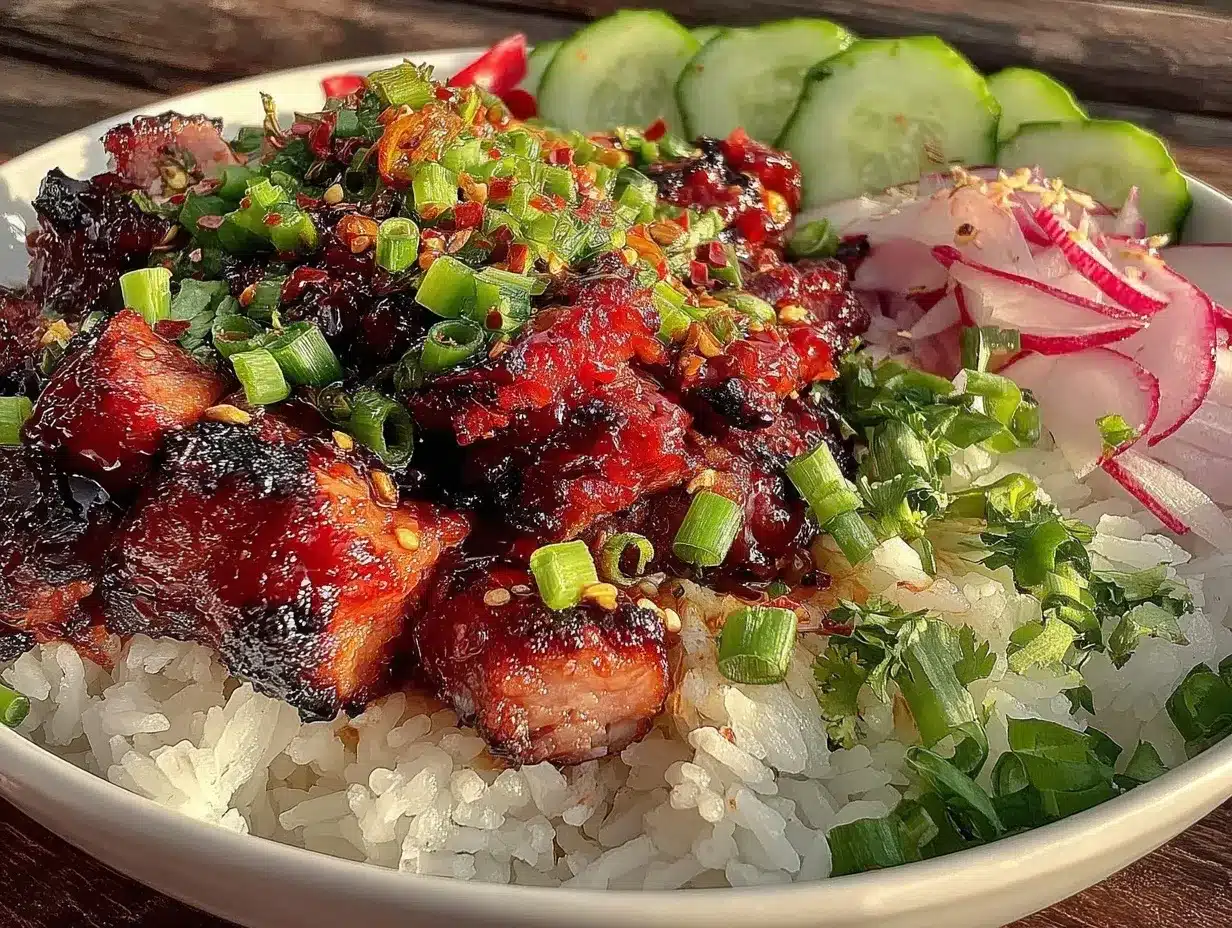
- Prepare the rice: Start by cooking 1 ½ cups (270g) of white or jasmine rice according to package instructions. It usually takes about 15-20 minutes. This way, rice will be ready when the chicken finishes.
- Make the sauce: In a small bowl, whisk together 3 tablespoons (60ml) honey, 2 tablespoons (30g) gochujang, 2 tablespoons (30ml) low-sodium soy sauce, 1 tablespoon (15ml) rice vinegar, 2 minced garlic cloves, and 1 teaspoon (5g) freshly grated ginger. Set aside.
- Prep the chicken: Pat dry 1 pound (450g) boneless, skinless chicken thighs and cut into bite-sized pieces. Season lightly with salt and pepper.
- Cook the chicken: Heat 1 tablespoon (15ml) vegetable oil in a large skillet over medium-high heat. Add the chicken pieces in a single layer, allowing them to sear without overcrowding—cook for about 4-5 minutes on one side until golden brown.
- Flip and cook: Turn the chicken pieces over and cook for another 3-4 minutes until nearly cooked through. The internal temperature should reach about 160°F (71°C).
- Add the sauce: Pour the prepared honey gochujang sauce over the chicken. Reduce heat to medium and toss gently to coat. Cook for an additional 3-5 minutes, stirring occasionally, until the sauce thickens and becomes sticky, clinging to each piece.
- Finish with sesame oil: Stir in 1 teaspoon (5ml) toasted sesame oil for that last bit of aroma and richness.
- Assemble the bowl: Spoon the cooked rice into bowls, top with the sticky honey gochujang chicken, and garnish with sliced green onions and toasted sesame seeds if using.
Watch the sauce closely during the final step; if it thickens too fast or starts to burn, lower the heat. The goal is a glossy, sticky coating, not a hard glaze. If the sauce looks too thick, a splash of water can loosen it slightly.
One trick I’ve learned is to keep a little extra sauce on hand for drizzling—it’s great for spooning over additional rice or even steamed veggies.
Cooking Tips & Techniques
Getting that perfect sticky honey gochujang chicken requires a few little tricks. First, don’t rush the sear on the chicken. If the pan is too crowded, the pieces steam instead of caramelize, and that sticky texture won’t develop properly.
Use chicken thighs over breasts when you can. Thighs stay juicy and tender, which complements the tangy-sweet sauce better than drier breast meat. I’ve tried both, and honestly, thighs make a noticeable difference.
Another tip is to balance the sauce carefully. Too much honey can make it overly sweet and sticky in a bad way, and too much gochujang can overpower. The recipe’s balance is tested for a mild heat that builds but doesn’t dominate.
Keep an eye on the sauce as it reduces. Stir gently but constantly toward the end to prevent burning. If you find the sauce sticking unevenly, a splash of water or soy sauce helps loosen it without losing that glaze effect.
Lastly, don’t skip the finishing drizzle of sesame oil—that little nutty aroma is what makes this dish feel complete. It’s a simple addition but changes the whole profile.
Multitasking by cooking rice first and prepping sauce while chicken cooks saves time. I often start the rice, then move straight to sauce mixing and chicken prep so everything lines up smoothly.
Variations & Adaptations
This sticky honey gochujang chicken rice bowl is flexible enough to handle a few tweaks based on what you have or prefer.
- Protein Swap: Swap chicken thighs for tofu or tempeh for a vegetarian-friendly meal. Press and cube the tofu, then pan-fry until crisp before adding the sauce.
- Spice Level: Increase heat by adding a pinch of red pepper flakes or a splash of sriracha to the sauce. For milder tastes, cut the gochujang amount in half and add a bit more honey.
- Grain Alternatives: Use brown rice, quinoa, or cauliflower rice to suit dietary needs or add variety. Just adjust cooking times accordingly.
- Veggie Boost: Toss in quick-cooking vegetables like snap peas, shredded carrots, or bell peppers during the last few minutes of cooking for freshness and crunch.
- Gluten-Free Option: Replace soy sauce with tamari or coconut aminos, and confirm your gochujang is gluten-free.
I once tried adding a fried egg on top for extra richness and texture—it was surprisingly good and made it feel more like a brunch dish. It’s great when you want to stretch this recipe for a more filling meal.
Serving & Storage Suggestions
Serve this sticky honey gochujang chicken rice bowl warm, right after cooking, so the glaze is perfectly sticky and fresh. Garnishing with green onions and sesame seeds adds a nice crunch and burst of color that makes it feel special.
This dish pairs well with a simple cucumber salad or steamed greens to cut through the richness. A chilled glass of iced green tea or sparkling water with lemon balances the flavors nicely.
Store leftovers in an airtight container in the refrigerator for up to 3 days. The sauce tends to thicken in the fridge, so when reheating, warm gently in a skillet over low heat with a splash of water to loosen the glaze and keep the chicken tender.
Flavors meld and deepen after a day, so sometimes I actually prefer it as a packed lunch the next day, when the honey and gochujang have had time to mingle fully.
Nutritional Information & Benefits
This honey gochujang chicken rice bowl provides a balanced meal with protein from chicken, carbohydrates from rice, and moderate fat from sesame oil and cooking oil. The dish is roughly 450-550 calories per serving depending on rice portion size.
Gochujang is rich in fermented ingredients that support gut health, while honey offers antioxidants. Using chicken thighs provides iron and B vitamins. Opting for brown rice or quinoa adds fiber and extra nutrients.
This recipe can be adapted to gluten-free and low-sodium diets by swapping soy sauce for tamari and adjusting seasoning.
From a wellness perspective, it’s a satisfying dish that doesn’t rely on heavy cream or excessive oil, making it feel wholesome without being bland.
Conclusion
This flavorful sticky honey gochujang chicken rice bowl is one of those recipes that makes weekday dinners feel a little less routine. It’s straightforward but full of character, with that sticky, sweet-heat glaze that keeps you coming back for more.
Customizable, fast, and forgiving, it’s a dish you can tweak to your taste or pantry without losing the magic. I love how it brings a bit of Korean-inspired flair to a simple rice bowl, turning ordinary ingredients into something memorable.
Give it a try and see how easy it is to make a dinner that feels special without the fuss. And if you’re ever in the mood for other comforting meals with a twist, the crispy sesame chicken or easy lo mein noodles with chicken and veggies might also catch your fancy.
Looking forward to hearing how you make this recipe your own—drop a comment or share your adaptations!
FAQs
Can I use chicken breasts instead of thighs for this recipe?
Yes, you can. Chicken breasts will work, but they tend to be less juicy than thighs. Be careful not to overcook them to avoid dryness.
What can I substitute for gochujang if I don’t have it?
A mix of chili paste or sriracha with a bit of miso paste can mimic some of the flavor, but the unique fermented taste of gochujang is hard to replicate exactly.
Is this recipe spicy?
It has a mild to moderate heat level. The honey balances the spice, making it approachable for most people. Adjust the gochujang amount to control the heat.
How do I store leftover sticky honey gochujang chicken?
Store leftovers in an airtight container in the fridge for up to 3 days. Reheat gently in a pan with a splash of water to loosen the sauce.
Can I make this recipe ahead of time?
You can prep the sauce and chop the chicken in advance. Cooking is best done fresh, but leftovers taste great the next day after flavors have melded.
Pin This Recipe!
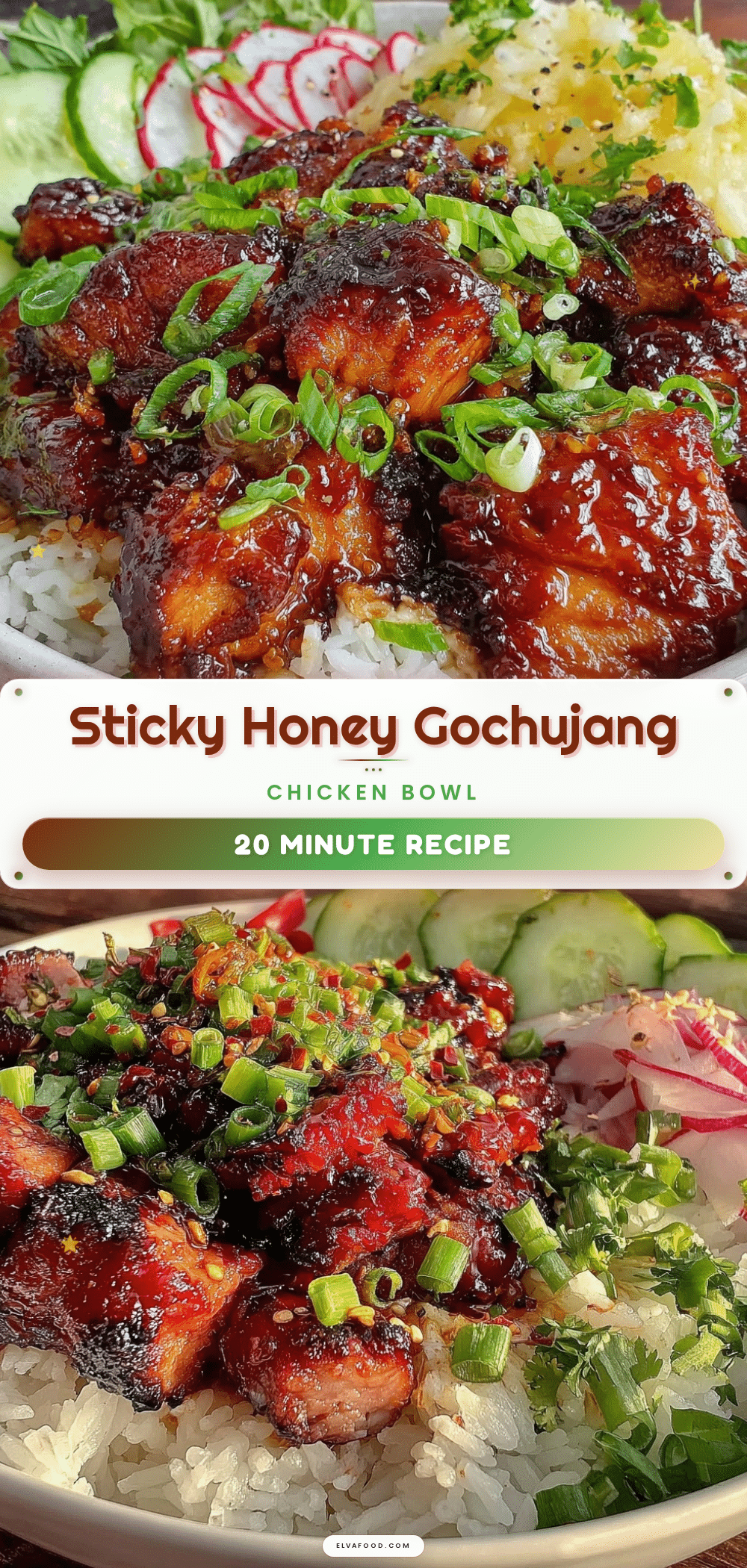
Flavorful Sticky Honey Gochujang Chicken Rice Bowl
A quick and easy weeknight dinner featuring juicy chicken thighs glazed in a sticky, sweet, and spicy honey gochujang sauce served over fluffy rice.
- Prep Time: 10 minutes
- Cook Time: 20 minutes
- Total Time: 30 minutes
- Yield: 4 servings 1x
- Category: Main Course
- Cuisine: Korean-inspired
Ingredients
- 1 pound boneless, skinless chicken thighs, cut into bite-sized pieces
- 3 tablespoons honey
- 2 tablespoons gochujang (Korean chili paste)
- 2 tablespoons low-sodium soy sauce
- 1 tablespoon rice vinegar
- 2 cloves garlic, minced
- 1 teaspoon freshly grated ginger
- 1 tablespoon vegetable oil
- 1 teaspoon toasted sesame oil
- 1 ½ cups white or jasmine rice (uncooked)
- Green onions, thinly sliced, for garnish
- Toasted sesame seeds, for garnish (optional)
- Salt and pepper, to taste
Instructions
- Cook 1 ½ cups of white or jasmine rice according to package instructions (about 15-20 minutes).
- In a small bowl, whisk together honey, gochujang, soy sauce, rice vinegar, minced garlic, and grated ginger. Set aside.
- Pat dry chicken thighs and season lightly with salt and pepper.
- Heat vegetable oil in a large skillet over medium-high heat. Add chicken pieces in a single layer and cook for 4-5 minutes until golden brown on one side.
- Flip chicken pieces and cook for another 3-4 minutes until nearly cooked through (internal temperature about 160°F).
- Pour the prepared sauce over the chicken. Reduce heat to medium and toss gently to coat. Cook for 3-5 minutes, stirring occasionally, until the sauce thickens and becomes sticky.
- Stir in toasted sesame oil for aroma and richness.
- Spoon cooked rice into bowls, top with sticky honey gochujang chicken, and garnish with sliced green onions and toasted sesame seeds if desired.
Notes
Do not overcrowd the pan to ensure proper searing and sticky glaze development. Stir sauce gently to avoid burning. For gluten-free, use tamari instead of soy sauce and verify gochujang is gluten-free. A splash of water can loosen sauce if it thickens too much. Optional toppings include toasted sesame seeds, sliced cucumbers, pickled vegetables, or a fried egg.
Nutrition
- Serving Size: 1 bowl (about 1/4 of
- Calories: 500
- Sugar: 18
- Sodium: 600
- Fat: 15
- Saturated Fat: 2.5
- Carbohydrates: 55
- Fiber: 2
- Protein: 35
Keywords: honey gochujang chicken, sticky chicken, Korean chicken recipe, weeknight dinner, easy chicken recipe, spicy chicken, rice bowl